In Memory of Rocky – Until We Meet Again on Rainbow Bridge
By JoAnn, Marion, and Tim Algier
This past week, we lost our dear family member Rocky who had just outlived his “huep – na-napbdad”, Tom, by just a few months. His perspective would have been interesting!!

Just this side of heaven is a place called Rainbow Bridge.
When an animal dies that has been especially close to someone here, that pet goes to Rainbow Bridge. There are meadows and hills for all of our special friends so they can run and play together. There is plenty of food, water and sunshine, and our friends are warm and comfortable.
All the animals who had been ill and old are restored to health and vigor. Those who were hurt or maimed are made whole and strong again, just as we remember them in our dreams of days and times gone by. The animals are happy and content, except for one small thing; they each miss someone very special to them, who had to be left behind.
They all run and play together, but the day comes when one suddenly stops and looks into the distance. His bright eyes are intent. His eager body quivers. Suddenly he begins to run from the group, flying over the green grass, his legs carrying him faster and faster.
You have been spotted, and when you and your special friend finally meet, you cling together in joyous reunion, never to be parted again. The happy kisses rain upon your face; your hands again caress the beloved head, and you look once more into the trusting eyes of your pet, so long gone from your life but never absent from your heart.
Then you cross Rainbow Bridge (Author unknown) together….
Rocky brought much joy and love to all, including all the piano students who came to the house and especially to his pet-parents Tom and JoAnn and his extended doggie family Angel, Apachi, Angelina and Princess… a gift that came through a lot of enjoyment and commradere they enjoyed and will cherish forever~
‘Until One Has Loved an Animal, Part of Their Soul Remains Unawakened’, Something We All Those Who Have Know!!
Celebrating Animals in the Afterlife
Meowsa! Do our pets go to Heaven?
A Dog’s Purpose – Out of the Mouth of Babes
China, Korea, South East Asia: Stop Cooking Dogs, Any Animals, Alive
Smartest Dog In the World, Chaser – 60 Minutes With Anderson Cooper
Quebec bill changes animals from "property" to sentient beings and includes jail time for cruelty
In Memory of Rocky – Until We Meet Again on Rainbow Bridge

By JoAnn, Marion, and Tim Algier
This past week, we lost a dear family member, Rocky, who had just outlived his “human pet-dad”, Tom, by just a few months. It certainly would have been interesting to know what they thought and what experiences they had had in common!!
Just this side of heaven is a place called Rainbow Bridge.
When an animal dies that has been especially close to someone here, that pet goes to Rainbow Bridge. There are meadows and hills for all of our special friends so they can run and play together. There is plenty of food, water and sunshine, and our friends are warm and comfortable.
All the animals who had been ill and old are restored to health and vigor. Those who were hurt or maimed are made whole and strong again, just as we remember them in our dreams of days and times gone by. The animals are happy and content, except for one small thing; they each miss someone very special to them, who had to be left behind.
They all run and play together, but the day comes when one suddenly stops and looks into the distance. His bright eyes are intent. His eager body quivers. Suddenly he begins to run from the group, flying over the green grass, his legs carrying him faster and faster.
You have been spotted, and when you and your special friend finally meet, you cling together in joyous reunion, never to be parted again. The happy kisses rain upon your face; your hands again caress the beloved head, and you look once more into the trusting eyes of your pet, so long gone from your life but never absent from your heart.
Then you cross Rainbow Bridge together…
Author unknown…

Rocky brought much joy and love to all, especially to his pet-parents Tom and JoAnn and his doggie extended family Angel, Apachi, Angelina and Princess… a gift they have enjoyed and camaraderie they have cherished forever~
Related…
‘Until One Has Loved an Animal, Part of Their Soul Remains Unawakened’, A Feeling All Those Who Have Known Remember Forever!!
Celebrating Animals in the Afterlife
Meowsa! Do our pets go to Heaven?
A Dog’s Purpose – Out of the Mouth of Babes
China, Korea, South East Asia: Stop Cooking Dogs, Any Animals, Alive
Smartest Dog In the World, Chaser – 60 Minutes With Anderson Cooper
Quebec bill changes animals from "property" to sentient beings and includes jail time for cruelty
Panda Accused of Faking Pregnancy To Get Better Food, Air Conditioning
Expectant pandas are moved to air-conditioned rooms and showered with more buns, fruit and bamboo.
 By Dominique Mosbergen – News Editor, The Huffington Post – Posted: 07/30/2015 12:57 AM EDT | Edited: 07/31/2015 02:07 PM EDT

Pandas Tuan Tuan and Yuan Yuan, names together mean "reunion", eat bamboo at a panda base in Ya’an, southwest China’s Sichuan province, Thursday, Dec. 11, 2008. A few weeks after this photo was taken, the duo were moved to Taiwan. (Associated Press)
Keepers at the Taipei Zoo were excited. Resident giant panda Yuan Yuan was exhibiting signs of pregnancy — an all-too-elusive event among captive pandas.
There were tell-tale symptoms, like a loss of appetite and a thickening of the uterus. Yuan Yuan’s fecal progesterone concentration was also on the rise.
Yet despite these promising signs, the panda’s pregnancy was a false alarm.
According to China’s Southern Metropolis Daily, ultrasound scans determined that Yuan Yuan, who was artificially inseminated earlier this year, was not pregnant. Now the panda is being accused of faking the pregnancy as a way of getting her caretakers to shower her with better food and care.
Pregnant pandas are typically treated like queens. As China Daily notes, the expectant bears are moved into “single rooms with air conditioning” and given “round-the-clock care.” They receive more buns, fruit and bamboo as well.
Panda experts have speculated that Yuan Yuan, who gave birth to a cub in 2013, may have been feigning pregnancy to reap these added benefits.

Taiwan’s panda cub Yuan Zai, right, and her mother Yuan Yuan enjoy Yuan Zai’s first birthday cake at the Taipei Zoo in Taipei, Taiwan, Sunday, July 6, 2014. (Associated Press)
Last year, another female panda named Ai Hin was accused of trying to pull the same trick. The panda, who lives at the Chengdu Research Base of Giant Panda Breeding, exhibited pregnancy symptoms for two months before experts determined that she didn’t actually have a cub in the oven.
“After showing prenatal signs, the [panda] ‘mothers-to-be’ are [pampered],” Wu Kongju, an expert at the Chengdu Research Base, told CNN last year. “So some clever pandas have used this to their advantage to improve their quality of life.”
Other panda experts disagree with these accusations.
Zhang Heming, director of the China Research and Conservation Center for the Giant Panda, told the Guardian last year that pseudo-pregnancies are actually fairly common in the panda world. He attributed the pandas’ behavior to "more of a hormonal issue than a deliberate ruse."
"This phenomenon occurs in 10 to 20 percent of pandas," he said. "After the mother panda is inseminated, if her health isn’t so good, the pregnancy will terminate, but she’ll still behave as if she’s pregnant."
According to a 2010 LiveScience report, scientists "don’t know why pseudo-pregnancies happen, or if they have evolved for an evolutionary purpose."
"In a sense there’s no answer, but there is speculation that perhaps pandas’ bodies just rehearse pregnancy all the time," Lisa Stevens, curator of primates and pandas at Smithsonian’s National Zoo, told the news outlet.
Also on HuffPost:

Alamy AK58HY Giant Panda Cub Kin Cheung/AP One of the one month old Panda triples receives a body check at the Chimelong Safari Park in Guangzhou in south China’s Guangdong province Thursday, Aug. 28, 2014. China announced the birth of extremely rare panda triplets in a further success for the country’s artificial breeding program. The three cubs were born July 29 in the southern city of Guangzhou. (AP Photo/Kin Cheung)  Pablo Martinez Monsivais/AP Panda cub Bao Bao hangs from a tree in her habitat at the National Zoo in Washington, Saturday, Aug. 23, 2014. Today marks her first birthday and the zoo is marking the event with a traditional ‘Zhuazhou’ ceremony, a Chinese birthday tradition symbolizing long life to mark the event. (AP Photo/Pablo Martinez Monsivais)
  Getty Images
YA’AN, CHINA – JUNE 29: A giant panda climbs onto a platform at the panda research base on June 29, 2015 in Ya’an, China. China’s Sichuan province is home to the majority of the the world’s nearly 1,900 endangered giant pandas. (Photo by John Moore/Getty Images)

leungchopan panda eating bamboo

Alamy AJC9T9 - ASSOCIATED PRESS

A woman poses for photographers with the part of the 1,600 paper pandas, created by French artist Paulo Grangeon, in front of the Sultan Abdul Samad Building during the month-long "1600 Pandas World Tour" in Kuala Lumpur, Malaysia, Sunday, Dec. 21, 2014. (AP Photo/Lai Seng Sin)  ABA PREFECTURE, CHINA – JULY 05: (CHINA OUT) Aerial view of people, wearing panda costumes with mahjong tiles, playing mahjong during a mahjong competition at a theme park in Jiuzhai Village on July 5, 2015 in Aba Perfecture, Sichuan Province of China. Over one hundred people wearing panda costumes with mahjong tiles played on a one hundred-square-meter mahjong table during a mahjong competition. (Photo by ChinaFotoPress/Getty Images)
Getty Images
CHENGDU, CHINA – JUNE 30: Giants pandas pause from eating bamboo in an enclosure at the Chengdu Research Base of Giant Panda Breeding on June 30, 2015 in Chengdu, China. Twin female cubs were born by artificial insemination to seven-year-old Kelin at the center on June 22. China’s Sichuan province is home to the majority of the the world’s nearly 1,900 endangered giant pandas. (Photo by John Moore/Getty Images)
‘Dogs Have The Intelligence of a Human Toddler’
Smartest Dog In the World, Chaser – 60 Minutes With Anderson Cooper
Quebec bill changes animals from "property" to sentient beings and includes jail time for cruelty
Spanish town gives pets equal rights as citizens
China, Korea, South East Asia: Stop Cooking Dogs, Any Animals, Alive
They Were Dead Puppy Parts Instead of Dead Baby

Fellow SixSeeds blogger Zeke Pipher has a great question:
If they were dead puppy parts, or parts from homosexual babies, or babies that self-identified as adults, it’d be a different story. Meaning, it would be a story. But as it is, the fact that these fetuses don’t look like puppies, and their sexual orientation cannot yet be determined, and their sexual-identity cannot yet be expressed, the most viral, re-tweeted, utterly disturbing national issue of the day went largely uncovered by all the major television and radio networks. In fact, when I went digging into CNN, CBS, NBC, ABC, and NPR’s coverage of the Planned Parenthood Exec sipping wine and eating salad while discussing the marketability of a pre-born baby’s heart, liver, and lungs, I found these reporting agencies spinning the story as an attack from anti-abortion groups. “You didn’t see the entire clip.” “The money is going to the mothers.” “These ’tissues’ are donated to medical research.” And, “The right is just on a hunt.”
Are you serious? Shame on them.
Zeke is right! When is the mainstream media going to quit covering for their murderous friends over at Planned Parenthood?
Confused what this is about? Well if you haven’t heard, Planned Parenthood medical group has been selling fetal body parts.

Keep Your Pets Safe on the 4th of July

Family and friends of G.R. Gordon-Ross watch his private fireworks show at the Youth Sports Complex in Lawrence, Kan., Friday, June 28, 2013. (AP Photo/Orlin Wagner)
Mercury News – Originally posted on July 02, 2013: The Fourth of July is one of my favorite holidays. Hot dogs, potato salad and, of course, fireworks.
But Independence Day is not such a joyful time for our animal friends. The noises and flashes of light are anything but enjoyable for them. Some become emotionally traumatized, cowering in corners, while others may bolt out of fear. Even pets that normally aren’t phased can have bad reactions to all of the bangs and pops.
The East Bay Society for the Prevention of Cruelty to Animals has kindly provided tips to help keep our animals calm and safe during the next few days:
– Keeping your dogs and cats indoors is one of the simplest things you can do to keep them safe. Even if your pet usually does well outdoors, both cats and dogs might run in a panic from fireworks or people. More pets go missing during the July Fourth holiday than at any other time of the year.
– If possible, stay at home with your pet. That way, you will be able to make adjustments to routines and comfort a distraught animal. If your dog appears fearful, allow him to go into his kennel or somewhere he feels safe. If your cat is skittish, place her in a darkened, cozy room with some of her favorite things. Most important, comfort them and reassure them that all is OK.
– Make sure your pets are wearing identification. One in three pets will go missing in their lifetime. If they don’t have identification, 90 percent don’t return home.
In addition to a collar with tags, consider microchipping your pet. Many frightened pets can slip their collars, leaving them with no path home. Contact the SPCA or other animal groups to see if they offer the service. Also make sure that contact information with the chipping company and on collar tags is up-to-date.
– Keep an emergency file. If your pet does go missing, it is a good idea to have a folder with a list of local shelters, as well as a current photo of your pet showing any unique markings for identification. Make sure the entire family knows where this folder is kept and that it is easily accessible.
– If your pet has a history of problems, talk to your veterinarian about medications. East Bay SPCA Chief Veterinarian Michael Sozanski says pets often find the loud, unpredictable noise and bright light displays frightening and should not be subjected to fireworks shows. "In case of severe phobia," Sozanski says, "nothing may work to ease your pet’s fear. If there is a chance your pet may exhibit this level of fear, speak to your veterinarian about possible medications." Medications can include anti-anxiety drugs or sedatives.
– Consider your pet when party planning. If you have friends over to celebrate, be especially mindful of doors and windows. Guests may be unaware that your dog or cat might escape even if a door is left open for a short amount of time. Try securing your cat in a quiet room or keeping your dog in the kennel or with you on a leash as guests are coming and going.
– If you are going to an outdoor event and bringing your pet, make sure there is plenty or water and shade.

Things to watch for:
–In dogs, warning signs of anxiety can be excessive panting, drooling, trembling and shaking, pacing, aggression, panicking and escape behavior. Watch for inappropriate body movements, such as jumping erratically over or on furniture, that could lead to injuries.
–Symptoms in cats may include panting, drooling, trembling, hiding, freezing, aggression, panicking and escape behavior. They also may behave erratically, jumping and climbing. They may hurt themselves or others.
Joan Morris’ column runs five days a week in print and online. Contact her at jmorris@bayareanewsgroup.com.
*Even events at home and indoors can be traumatic for some dogs/pets. Be watchful for signs. Sometimes putting pets who are not social in a separate room by themselves or with another pet with the TV or music on and some of their toys and snacks can be helpful.
Related:
JOMP Salutes Doggie Dads Both Two and Four Legged
Very few dogs have the experience of being parents these days and especially seeing their litters through the process of weaning and then actually being able to remain part of a pack with at least part of their family.
Apachi is our Doggie Dad. He is a Chiweenie and here he is is watching his brood being born with the help of their human Dad. Angel, the mom, is a fawn faced Chihhuahua.

It was an amazing experience for us be part of and to observe the dog family go through this process was heartwarming, educational and touching on many levels. Mom, Angel, would not let Apachi near the pups, which confused him, because he was a great dad and only wanted to watch over them. (But we know that is not the case with many males dogs! They often kill their offspring.) Angel nursed the 4-puppies until they were 8-weeks-old and then partially for another 2-weeks as we weaned them off. She was also a great mom, but from the day the pups were weaned, Dad took over playing with them and watching over them. Angel had done her part!
Here Apachi is playing with and watching his pups at 31-days-old. Once they were able to get out of the basket he would play with them whenever possible. But in the basket, they were off limits.

The two boys went to great homes and we still hear from their new families. One of the girls also went to good home, but came back because they could not keep her (long story), so we ended up with a Doggie family of 4… who are now 7, 5.5 and 2-grown-pups at 4-years-old. Although a lot of work, it is an experience that few people as well as few dogs get to be part of. It is worth every moment of extra work or minor inconvenience!!
Here is a pile up of Apachi, the Pups: Angelina, Magnum, Princess and Goji, with their human Dad

Here they are now… the family of 4:

Doggie Dad Apachi, Pup Princess, Pup Angelina and Mom Angel, huddling with Daddy Tim before a big game…

UCLA Shutterbug – Wyoming Outing

Dave Kotinsky/Getty Images for Tribeca Film Festival

UCLA Schutterbug - Kisses for Schatze

Reddit/orangefever - Just Wrestling

UCLA Shutterbug - Having a PowWow

UCLA Shutterbug - Whole Family is Asleep… Pups 7-Weeks Old
Hope You All Had A Great Father’s Day!!
Posted by Ask Marion, photos by the UCLA Shutterbug and Just One More Pet
Smartest Dog In the World, Chaser – 60 Minutes With Anderson Cooper
By Marion Algier – Just One More Pet (JOMP) – Cross-Posted at AskMarion
Anderson Cooper met Chaser, a dog who can identify over a thousand toys, and because of whom, scientists are now studying the brain of man’s best friend. Chaser is also the subject of a book: Chaser: Unlocking the Genius of the Dog Who Knows a Thousand Words.
Man and dog have lived together for 15,000 years and there are now more than 80 million dogs in the United States, more dogs than children, yet we know very little about man’s best friend.
Did you know that when your dog(s) stare at you, they are hugging you with their eyes?!?
Video: 60 Minutes October 5, 2014 – Anderson Cooper- Chaser – Smart Dog Segment
Video: The Dog Who Knows 1,000 Words | CUTE ANIMALS (Episode 5)
And, there’s even more to smart dogs than what ’60 Minutes’ and Chaser showed you says Arlene Weintraub, author of – Heal: The Vital Role of Dogs in the Search for Cancer Cures.
The hit CBS CBS -0.48% newsmagazine 60 Minutes just re-ran what was no doubt one of its most popular segments of recent years, “The Smartest Dog in the World,” featuring Chaser, the border collie who learned more than 1,000 words and names. As shown in the segment, Chaser accomplished that incredible feat because her owner, retired psychology professor John Pilley, spent five hours a day, five days a week training the white-and-black spotted pooch to associate certain words with objects such as toys.
As a result, Chaser ended up with a vocabulary three times greater than that of the average toddler. It’s impressive, to be sure, especially since very little was known about the power of the canine brain until quite recently, as correspondent Anderson Cooper pointed out at the top of the piece.
Over the last two decades, however, the scientific community has started to delve more deeply into canine intelligence, unlocking the clues to what’s happening in their brains that makes dogs so seemingly human. Here are some of the latest insights:
Dogs aren’t just learning tricks when you train them—they’re actually getting smarter.
Not everyone can spare the time that Pilley took to train his dog to recognize so many words, but science has proven that, in fact, dogs that stay mentally engaged do get smarter.
For example, researchers at the University of Milan recently took a group of 110 dogs, half of whom had little or no training in obedience or any other skill, and the other half who had extremely sophisticated levels of schooling, in agility, search-and-rescue, and the like. All of the dogs were then challenged to find food that had been hidden—but only after they were shown how the treats would be hidden and what they would have to do to uncover them.
As dog psychology expert and author Stanley Coren reported on the Psychology Today blog, it was clear that the dogs in the trial who had spent a lot of time training to do challenging tasks had gained a leg up on the intelligence scale: Only 30% of the untrained dogs found the hidden food, while 61% of the trained dogs successfully completed the task—even though their previous training didn’t prepare them for this particular test.
The scientists concluded that the trained dogs had acquired a “’learning to learn’ ability” that is otherwise absent in the average dog.

Studies show that dogs trained in complex tasks like agility gain intelligence (Credit: TIMOTHY A. CLARY/AFP/Getty Images)
That insight jives with what one of the scientists featured in the 60 Minutes piece, Brian Hare, pointed out. “What’s special is that [Pilley] spent so much time playing these games to help her learn words, but are there lots of Chasers out there?” said Hare, an evolutionary anthropologist at Duke University during the piece. “Absolutely.”
In other words, any mutt can probably be as good as Chaser—if his or her owner is willing to put in the hours.
Dogs can smell cancer and other things we can’t because of how their brains are structured.
It’s long been known that dogs’ noses are extremely sensitive—a virtue that has made them indispensable as search-and-rescue aides for centuries. But only recently have scientists begun to unlock the mysteries behind how dogs can pick up and follow scents that no one else can.
What they’ve learned is that dogs have 200 million olfactory receptors (ORs), or proteins on the neurons inside their snouts that send signals to their brains, allowing them to process smells. We human have only five million ORs. Dogs’ nostrils are structured so intricately that they can detect odors at such miniscule levels as parts per trillion, and many experts believe the proportion of the dog’s brain that’s dedicated to analyzing those scents is 40 times larger than that of humans. That makes the dog’s ability to recognize particular odors one million times better than that of people.
Dogs’ noses are now being put to use beyond the realm of search-and-rescue. In the medical world, service dogs are being trained to help people with diabetes recognize when their blood sugar is dropping to dangerous levels. And much attention has been paid recently to reports that dogs can sniff cancer.
The notion that dogs might be able to detect cancer first emerged about 25 years ago, when the British medical journal The Lancet published a five-paragraph letter in which two doctors in London described the case of a forty-four-year-old woman, who came into their clinic with a lesion on her left thigh. She told them her Doberman–border collie mix was constantly sniffing a mole on her leg, and one day when she was wearing shorts, her dog tried to bite the mole off entirely. Turned out that mole was a malignant melanoma—and the dog saved his owner’s life, because the tumor was so small at that point the cancer could be cured.
Since then, dog-loving scientists all over the world have trained and then tested hundreds of dogs to prove they can smell cancer. The results are sometimes astounding: In a 2012 trial, sniffer dogs were able to identify the scent of lung cancer about 90% of the time, even when the scientists tried to confuse them with samples from patients with non-cancerous conditions like chronic obstructive pulmonary disorder (COPD). Dogs have also been successfully trained to detect ovarian, breast, bladder, and colorectal cancer. Multiple efforts are now underway to translate the dog’s nose into automated breathalyzer-like devices that may be able to detect cancer early.
Dogs are wired for empathy in ways that many other species are not.
During the 60 Minutes story we heard a lot about oxytocin, commonly called “the love hormone.” This is a hormone, made in the brains of both dogs and people, that promotes the bonding between mothers and their babies, for example, and makes us feel good when we hug a loved one. Turns out when dogs make eye contact with their people or jump in their laps, both dogs and the recipients of their affection get more of an oxytocin rush.
But are dogs empathetic? Do they feel our emotional pain and joy? Several studies suggest they do. For example, in 2013, a group of Japanese researchers showed that the phenomenon of contagious yawning—long believed to be a sign of empathy—does not just happen among people. The scientists observed 25 dogs yawning in response to the yawns of both their owners and those of people they did not know. They measured the dogs’ heart rate to show that their yawning was not caused by stress (as many dog trainers believe it is).
Dogs may also be empathetic because in addition to sharing the love hormone with their humans, they share the stress hormone, called cortisol. Last fall, researchers in New Zealand took 75 dogs and 74 people and played the same sounds for both groups: a baby crying, a baby babbling and white noise. When they heard the crying baby, both people and dogs showed an increase in cortisol. The dogs’ behavior changed, too, as they became more submissive and alert. The researchers concluded that the dogs were showing “emotional contagion,” a basic form of empathy. What’s more, the empathy crossed species—a rare occurrence, they suggested.
‘Dogs Have The Intelligence of a Human Toddler’ and bottom line, your dog is probably just as smart as Chaser, both intellectually and emotionally. I know mine are! You just might need to do a bit of work to uncover that intelligence. Age, breed and owner or trainer involvement are all factors.

A Quebec bill has changed animals from “property” to sentient beings and includes jail time for cruelty in Canada. Let us hope that the United States and the rest of the world will not be far behind. Especially with daily headlines like these: China, Korea, South East Asia: Stop Cooking Dogs, Any Animals, Alive; Weasel of the Weak –> The Monster Who Tortured And Abused This Dog, Teen Who Killed Kitten Only Had to Serve One Year in Prison, Buried Alive Because She Was A Nuisance This Stray Dog Has Become An Inspiration and Copycat Dog Muzzle Duct Taping Crime?. Even livestock who are ultimately slated to end up on our dinner tables deserve human treatment throughout their lives!
Hopefully, WE, human animals are finally realizing that all animals have value and deserve fair and better treatment, beginning with domesticated animals that we share our lives with. To whom much is given, much is expected! And because we are the most intelligent animals with the largest brain, at least on our planet, we must be much better than we are!
Quebec bill changes animals from "property" to sentient beings and includes jail time for cruelty

By Tamara – Dog Heirs – Cross-Posted at JOMP
Quebec, Canada – Animals will be considered “sentient beings” instead of property in a bill tabled in the Canadian province of Quebec. The legislation states that "animals are not things. They are sentient beings and have biological needs."
Agriculture Minister Pierre Paradis proposed the bill and wants to change Quebec’s infamous image as a haven for puppy mills
The legislation specifies that animals have biological needs and includes fines of up to $250,000 for those who are cruel to animals, as well as jail time for repeat offenders.
Paradis said the bill puts Quebec more in line with other Canadian provinces like Ontario, British Columbia and Manitoba. The act will apply to all domesticated and farm animals and certain wild animals. Paradis said he wants to see animals “treated with dignity as much as possible” it doesn’t matter what animal.
"If you have a goldfish you have to take care of it," he said. "Don’t get a goldfish if you don’t want to take care of it."
Under the bill inspectors will have the power to demand to see an animal if they have “reasonable cause” to suspect the pet or animal is being mistreated. They also can also obtain a warrant to enter a home and seize animals. Repeat offenders would also come under fire as authorities and judges would have the discretion to increase fines and sentence serial violators to jail for up to 18 months.
Save a Life…Adopt Just One More…Pet!
Everyday we read or hear another story about pets and other animals being abandoned in record numbers while at the same time we regularly hear about crazy new rules and laws being passed limiting the amount of pets that people may have, even down to one or two… or worse yet, none.
Nobody is promoting hoarding pets or animals, but at a time when there are more pets and animals of all types being abandoned or being taken to shelters already bursting at the seams, there is nothing crazier than legislating away the ability of willing adoptive families to take in just one more pet!!
Our goal is to raise awareness and help find homes for all pets and animals that need one by helping to match them with loving families and positive situations. Our goal is also to help fight the trend of unfavorable legislation and rules in an attempt to stop unnecessary Euthenization!!
“All over the world, major universities are researching the therapeutic value of pets in our society and the number of hospitals, nursing homes, prisons and mental institutions which are employing full-time pet therapists and animals is increasing daily.” ~ Betty White, American Actress, Animal Activist, and Author of Pet Love
‘Until One Has Loved an Animal, Part of Their Soul Remains Unawakened’
So if you have the room in your home and the love in your heart… Adopt Just One More Pet or consider becoming a Foster parent for pets… Also check out: Little Critter: Just One More Pet
Inside of a Dog: What Dogs See, Smell, and Know(Kindle)
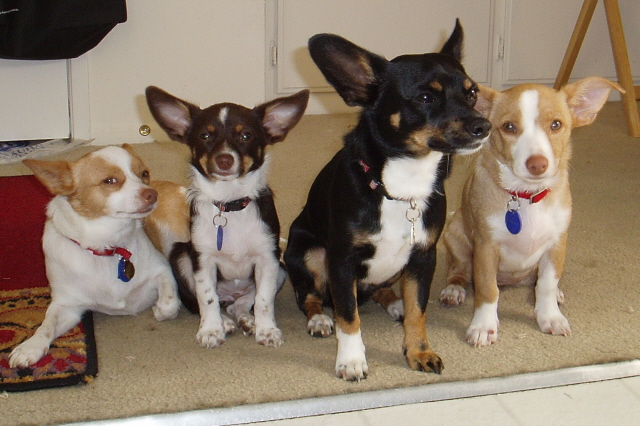
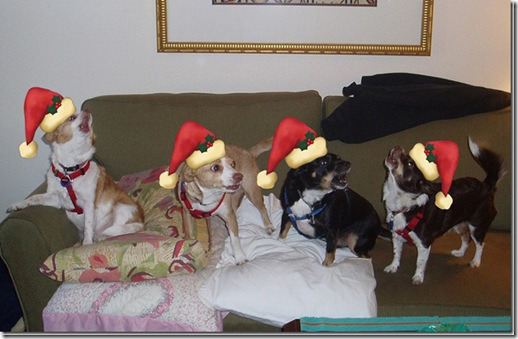
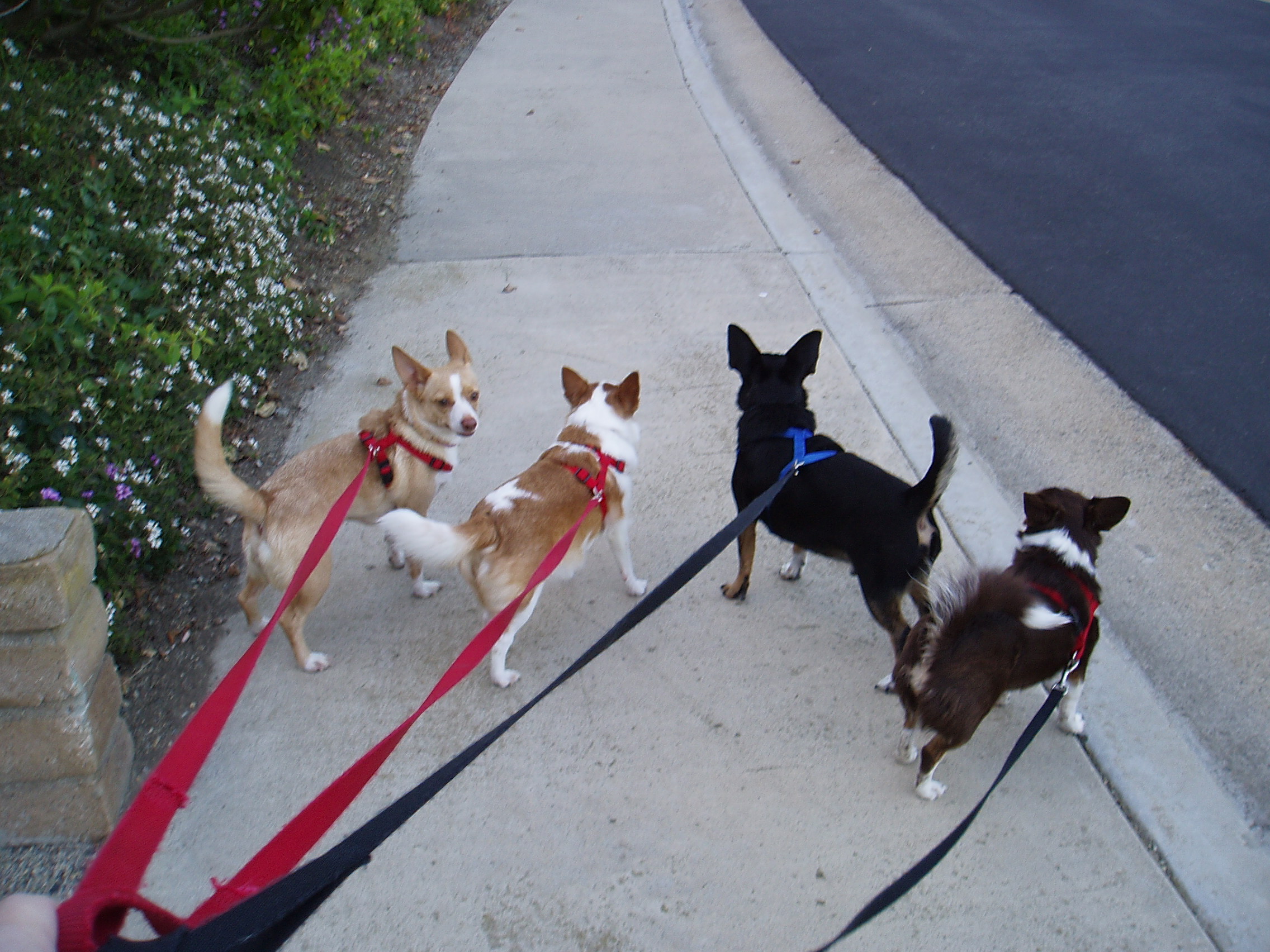
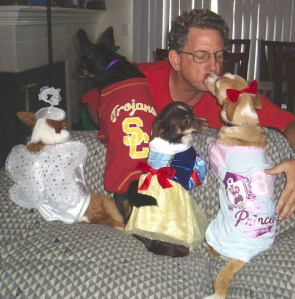
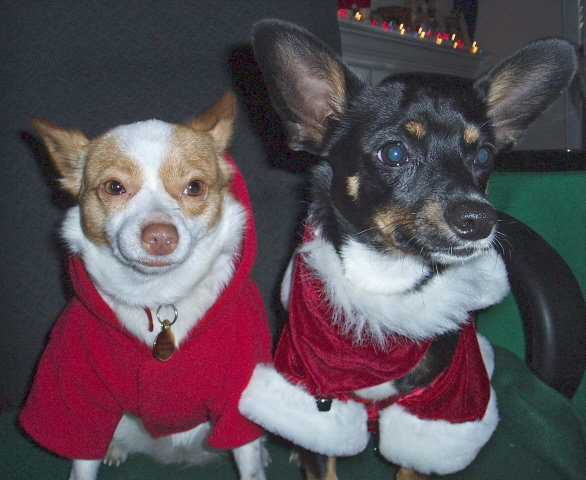
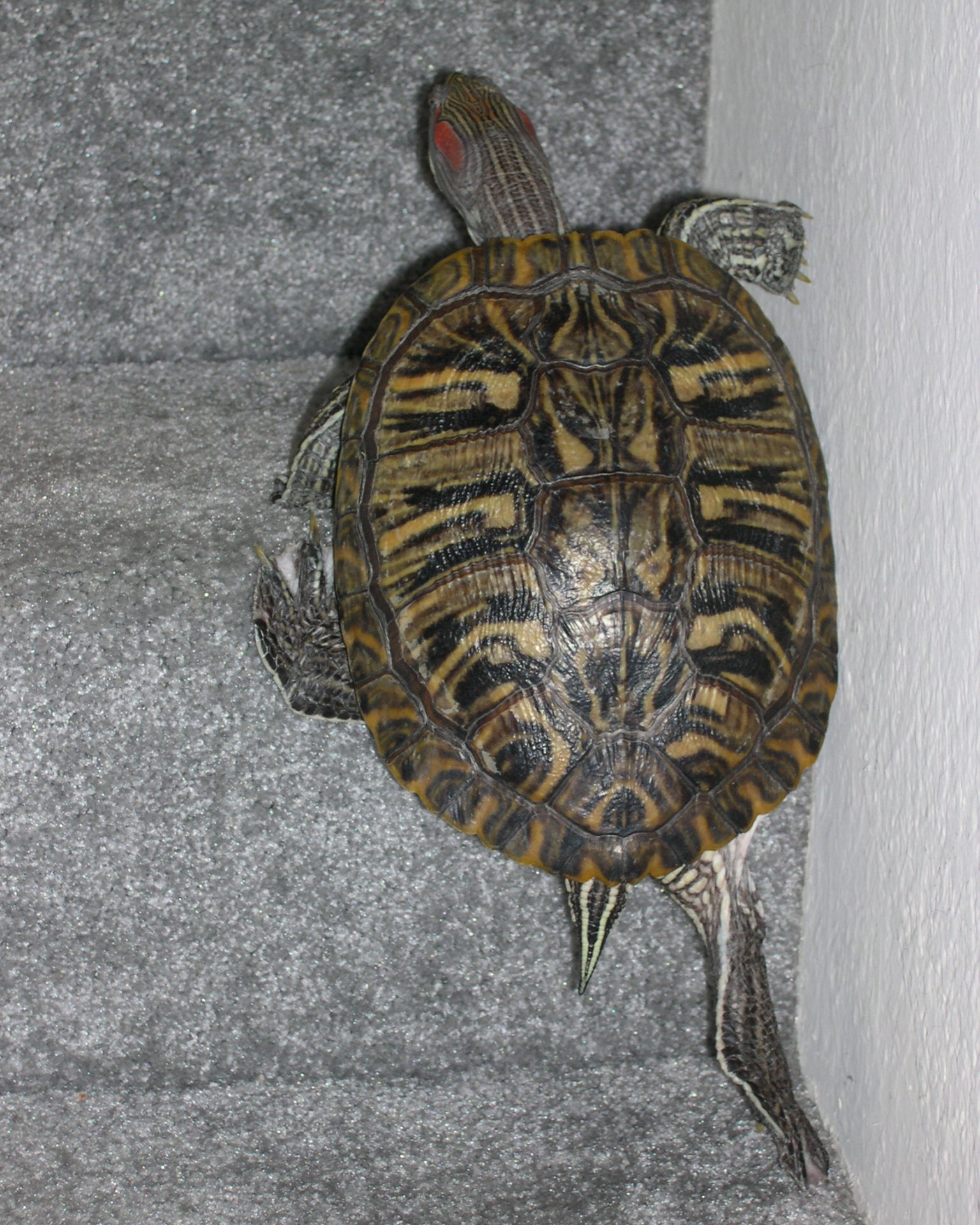
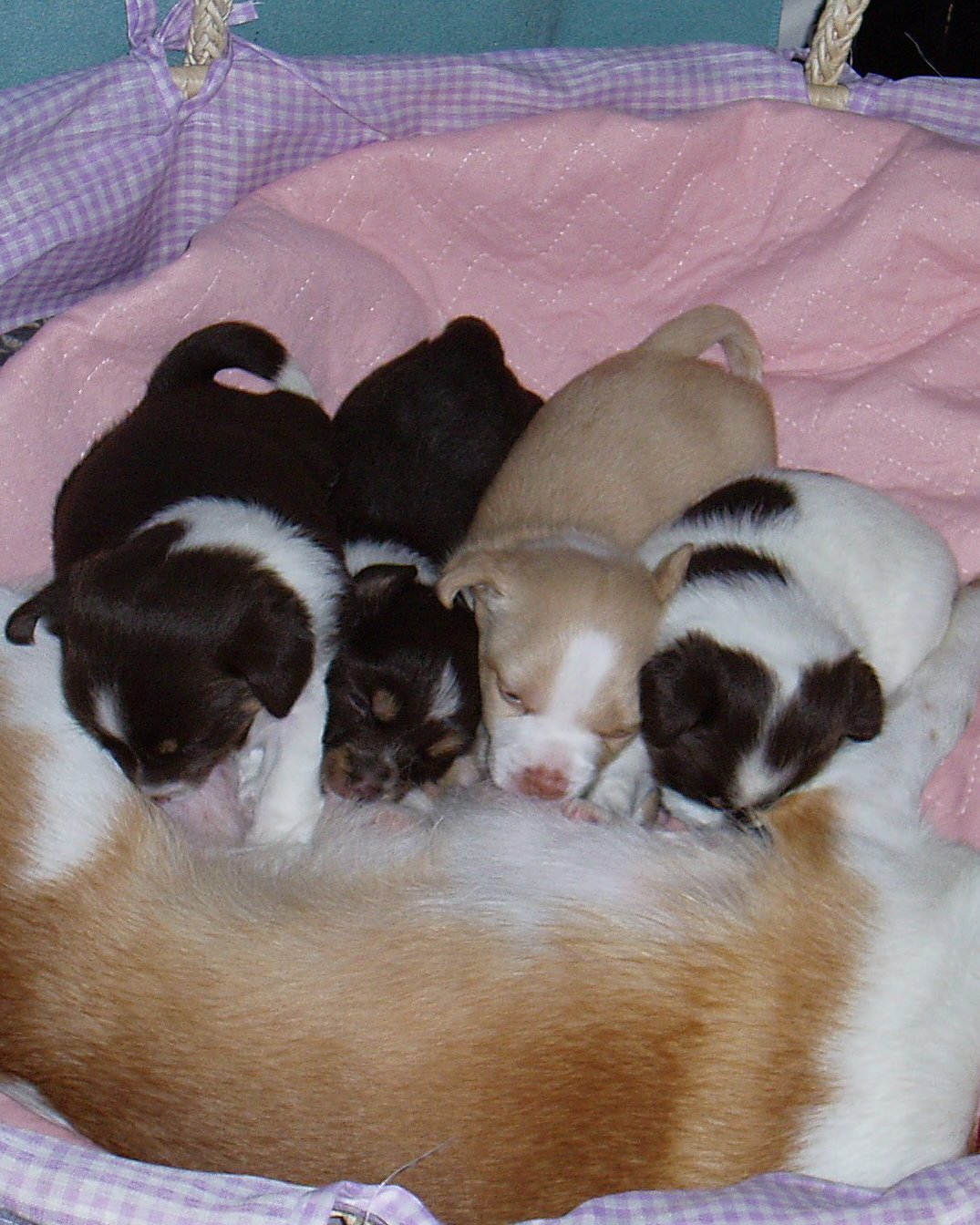
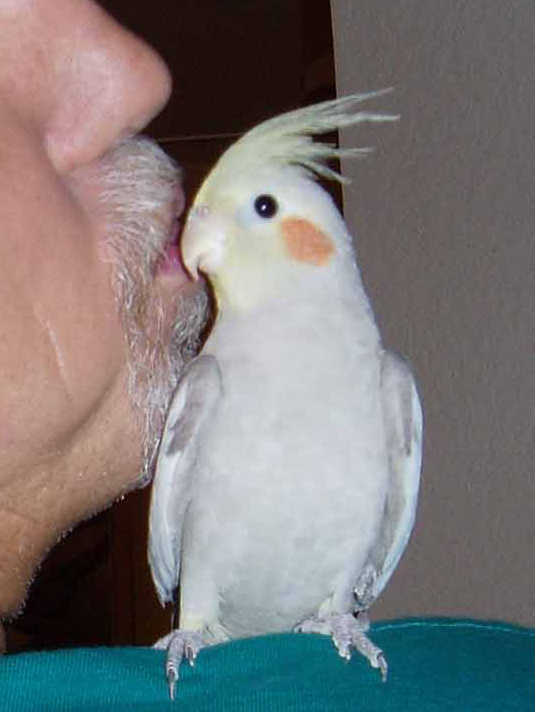
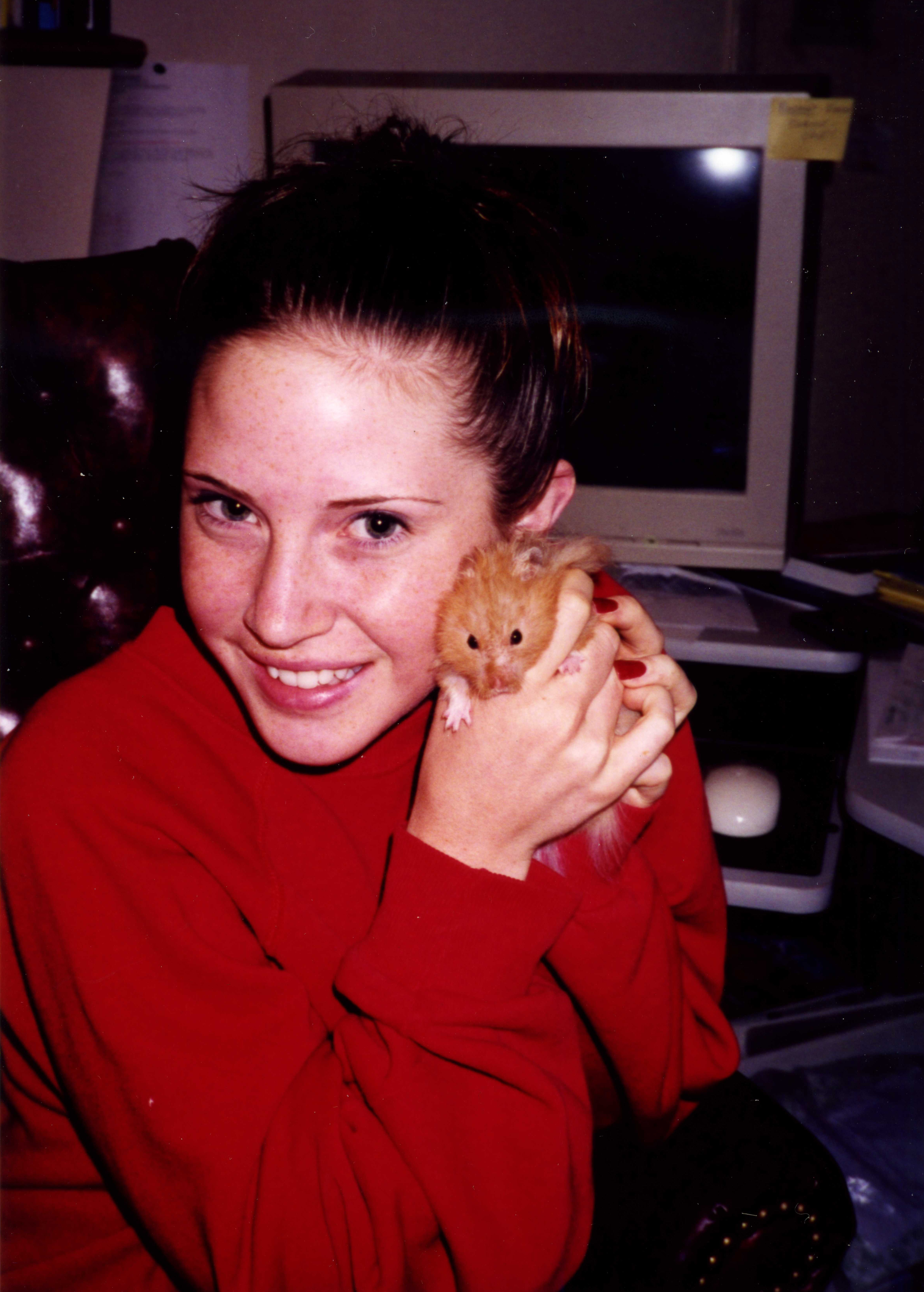
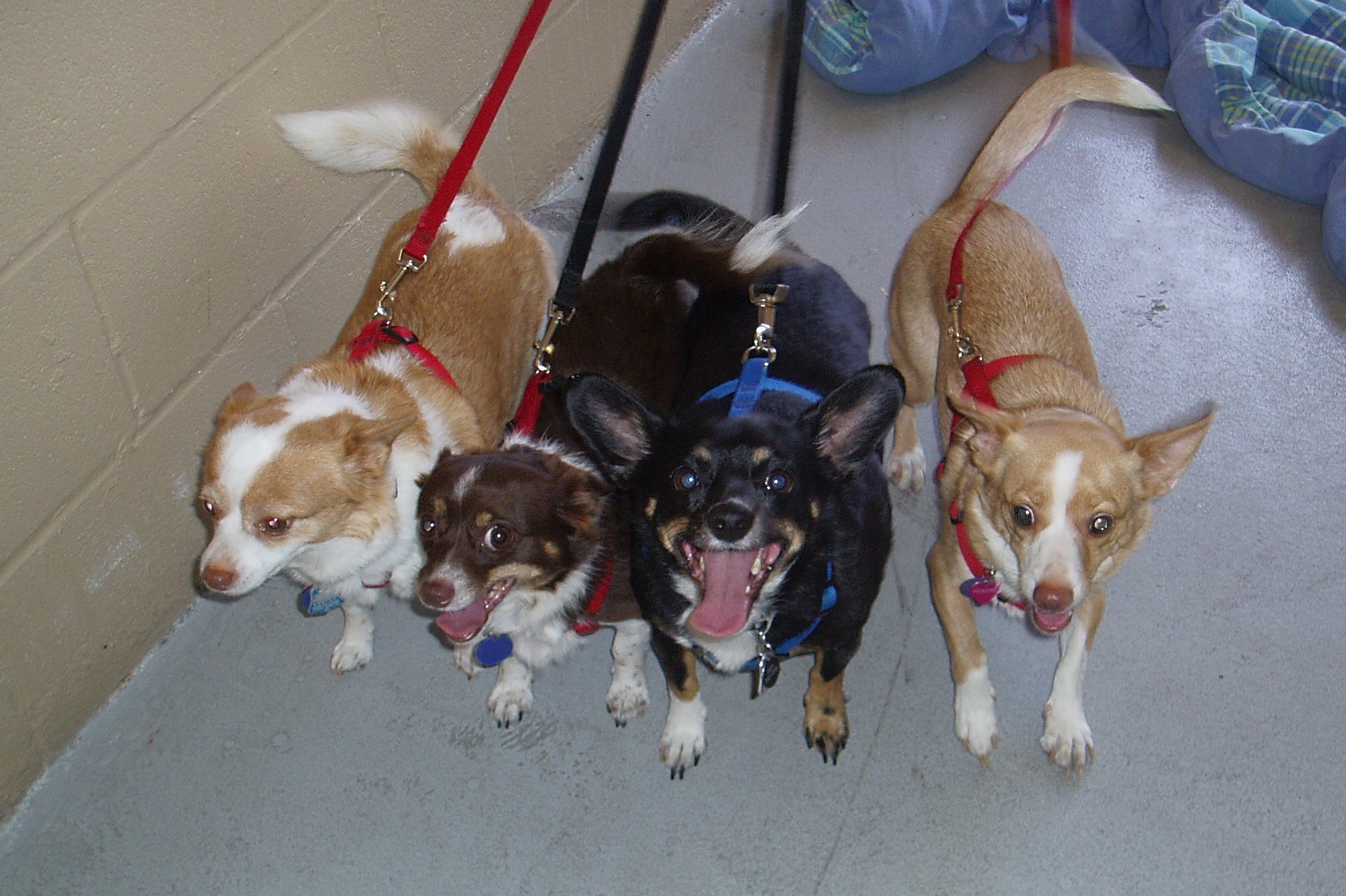
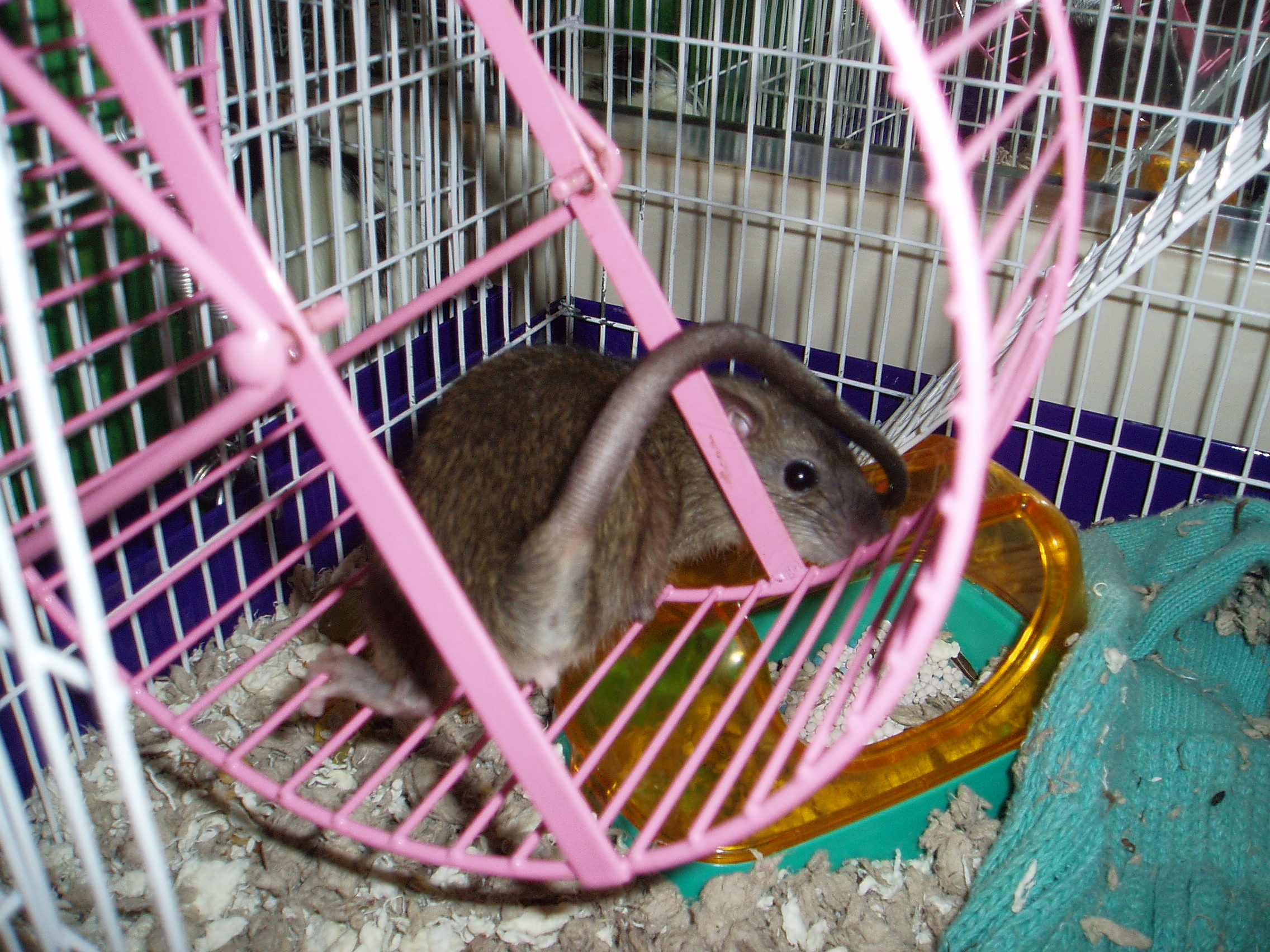
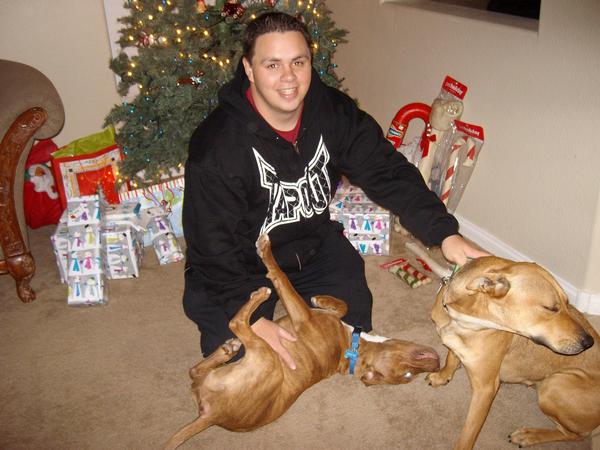
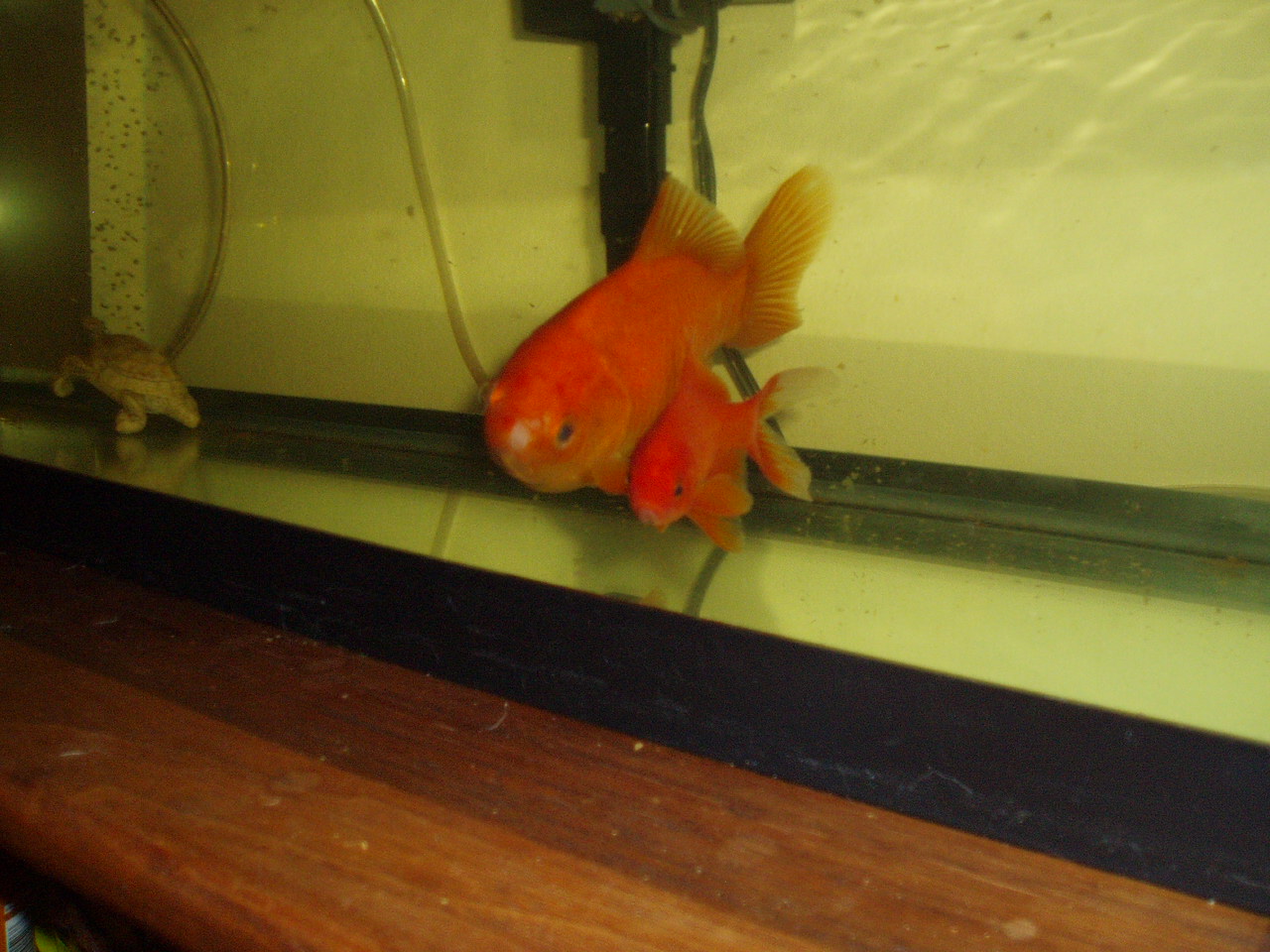


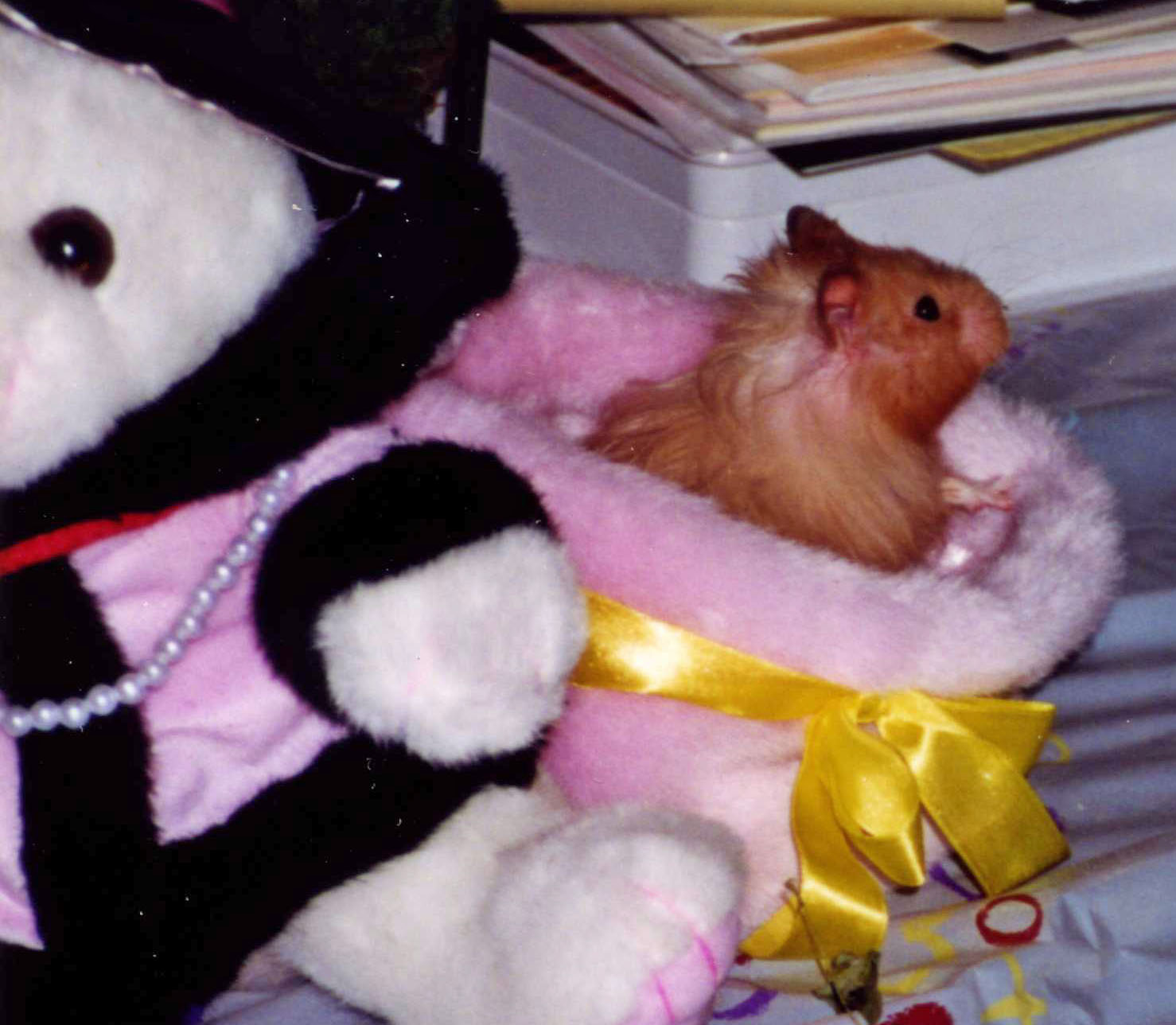
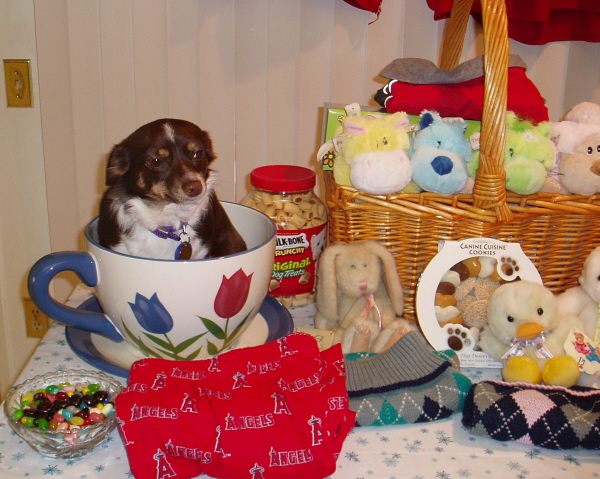
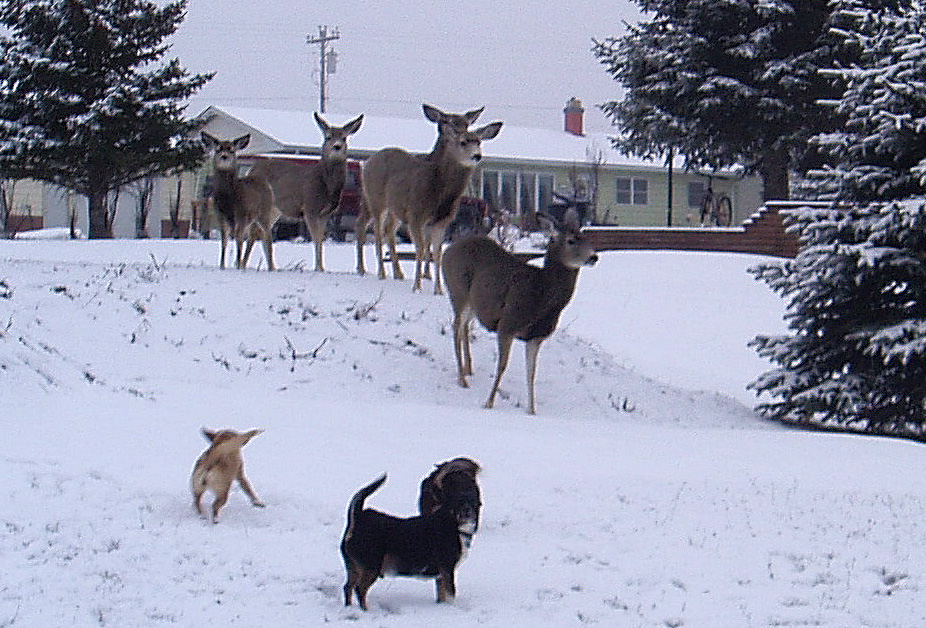
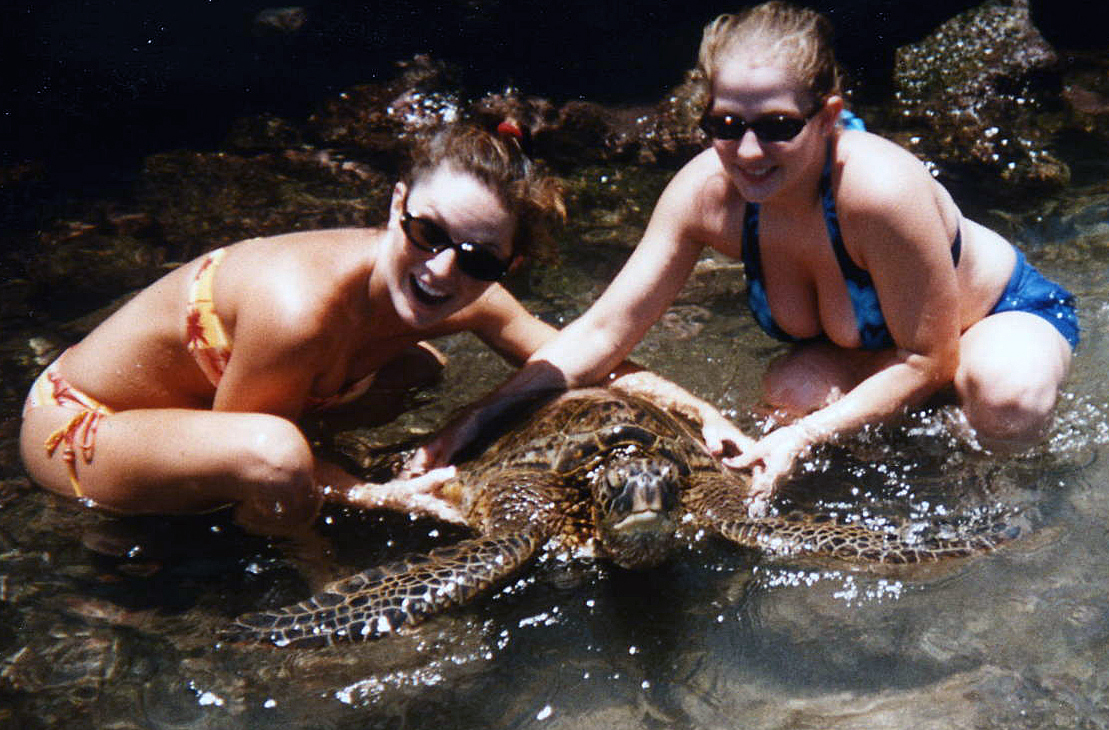
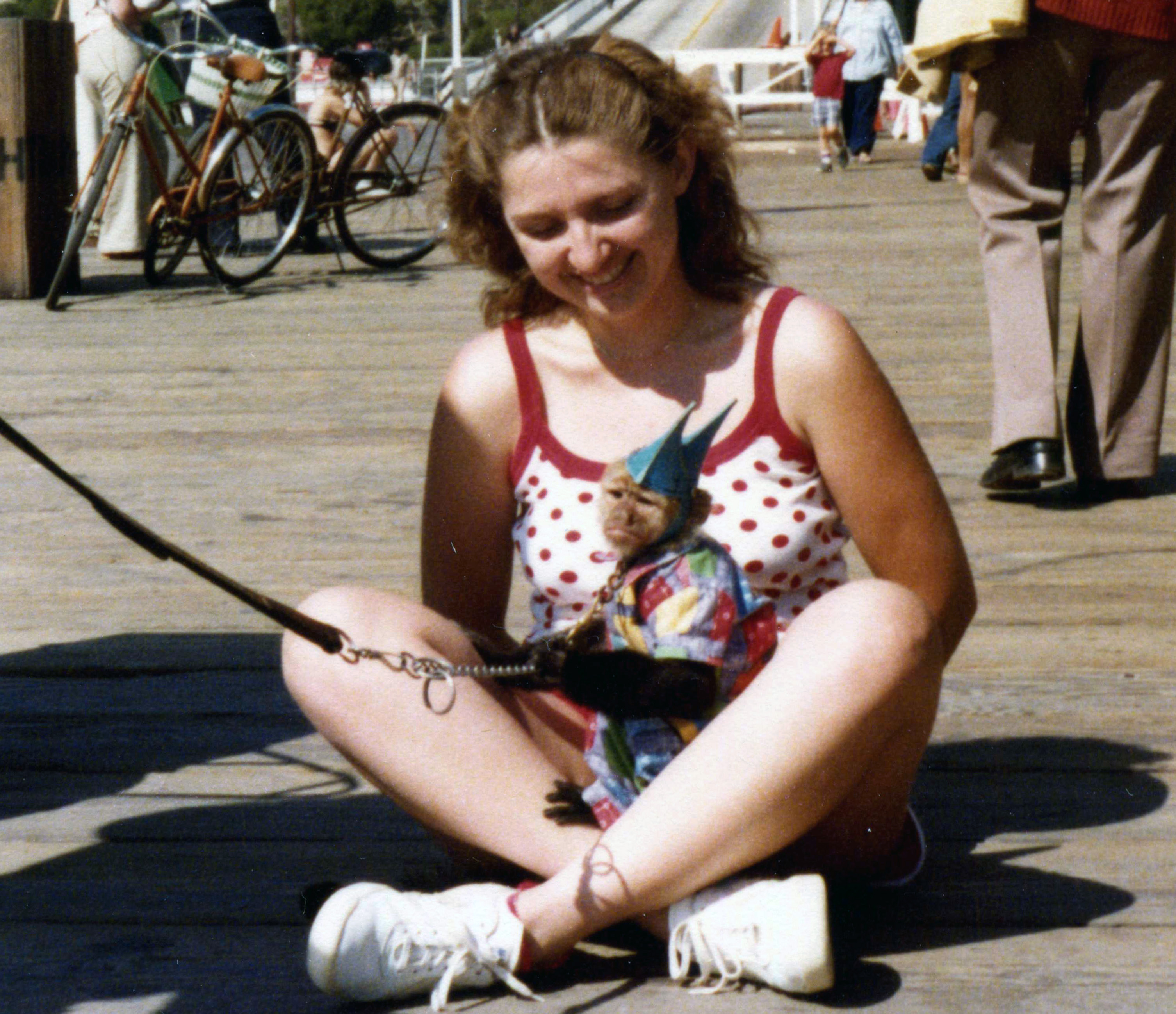
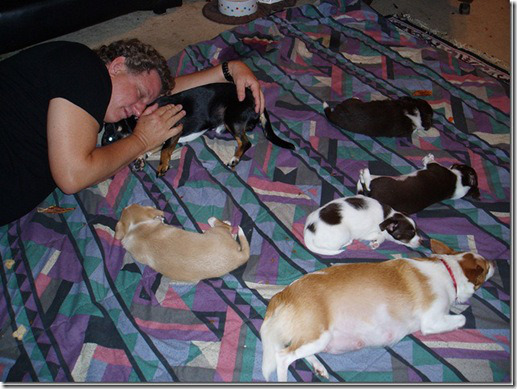
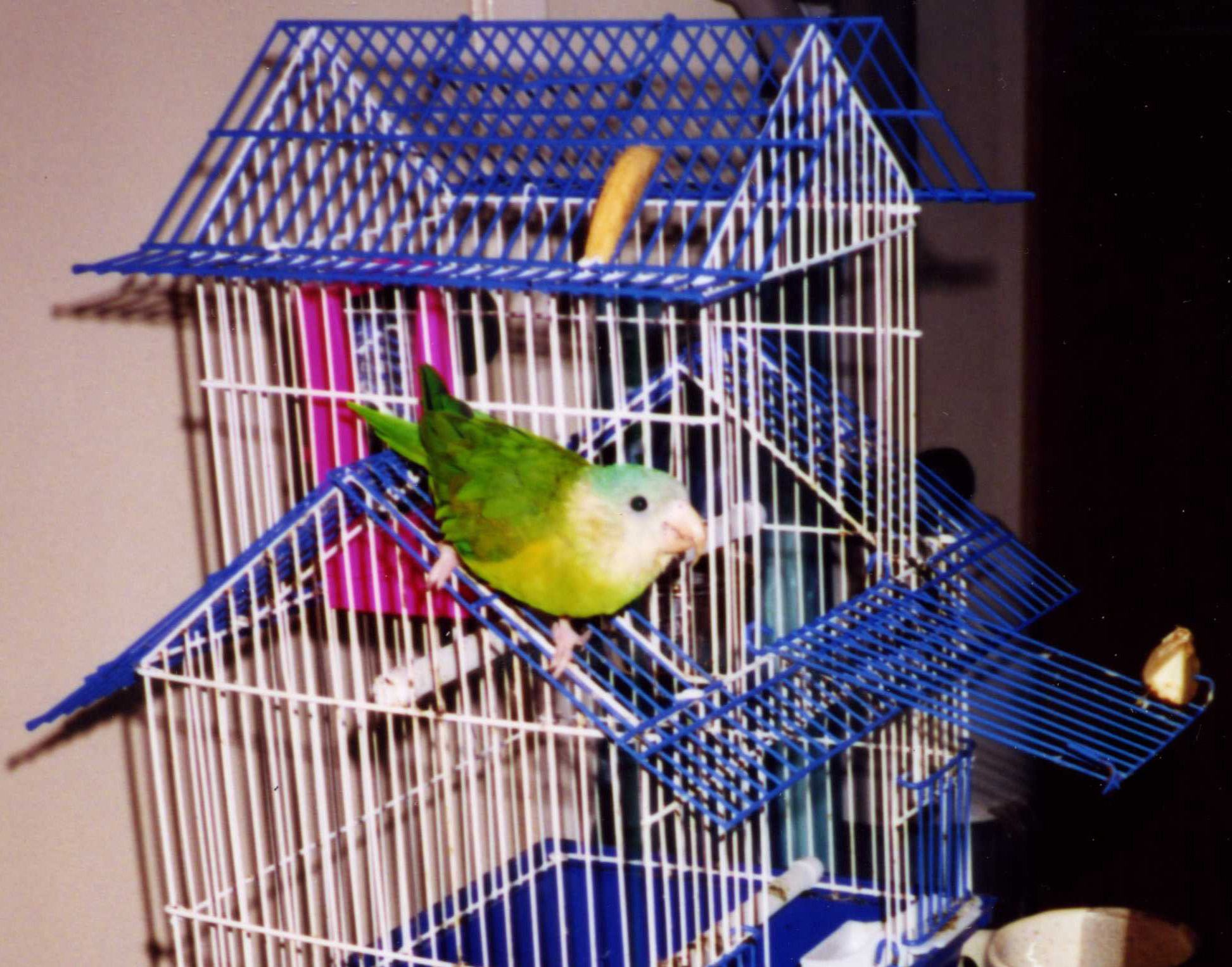
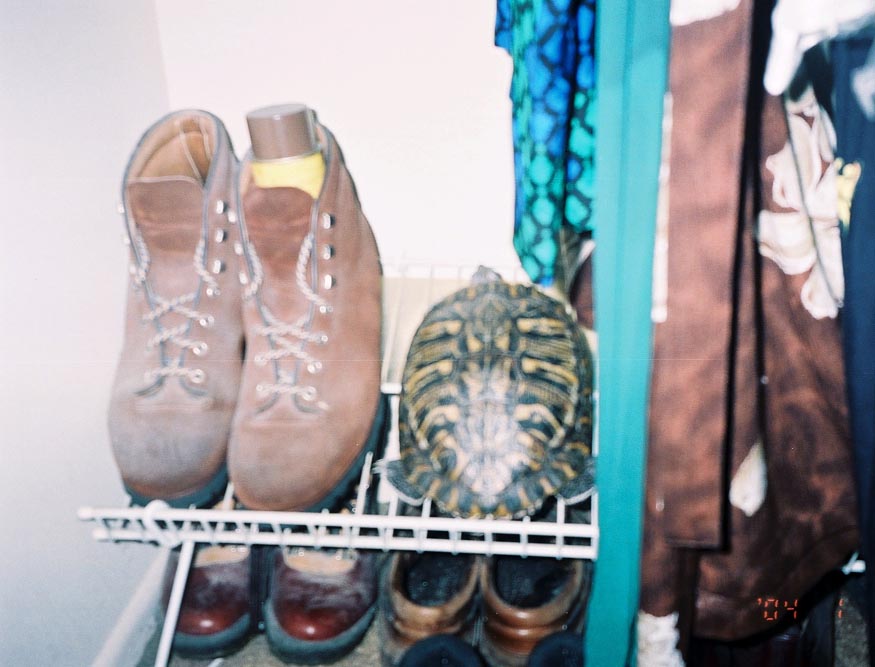
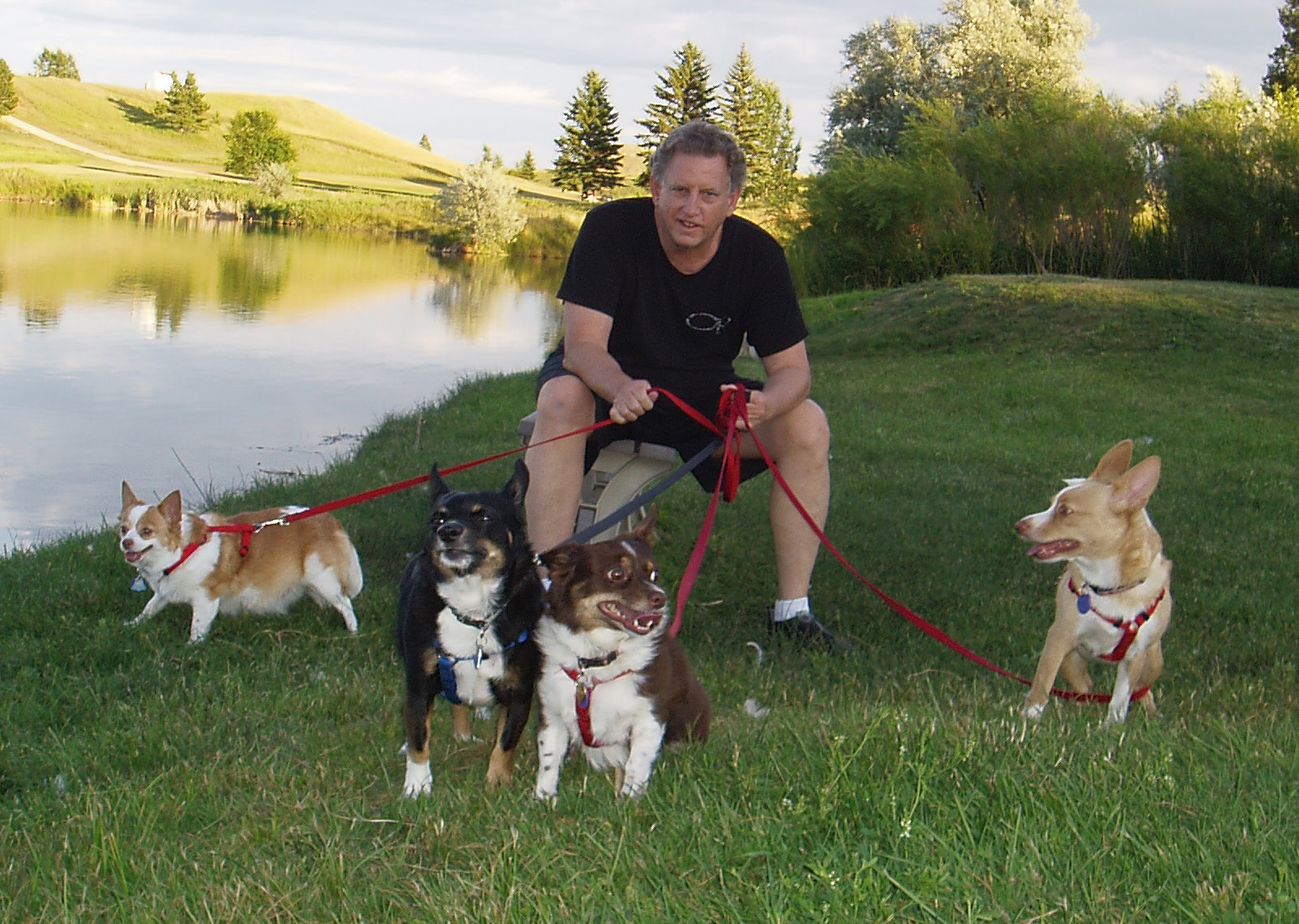
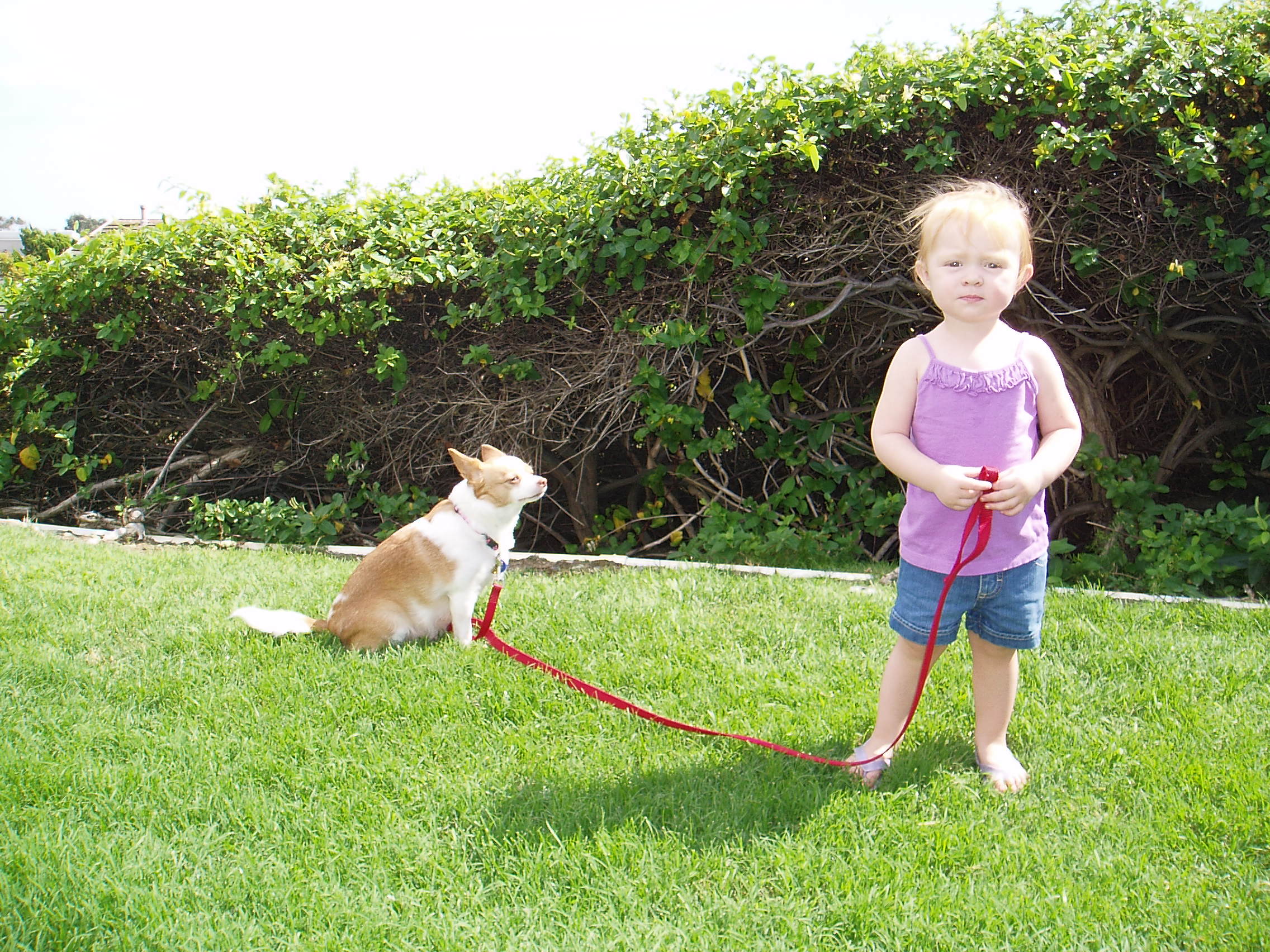
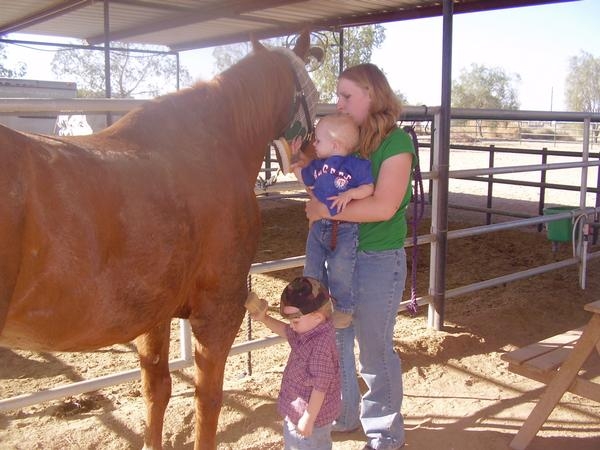
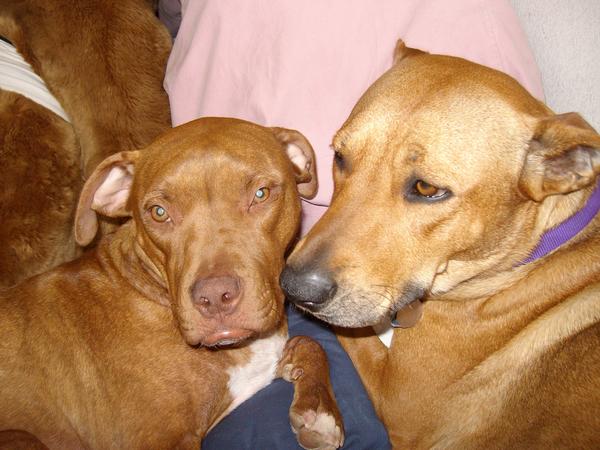
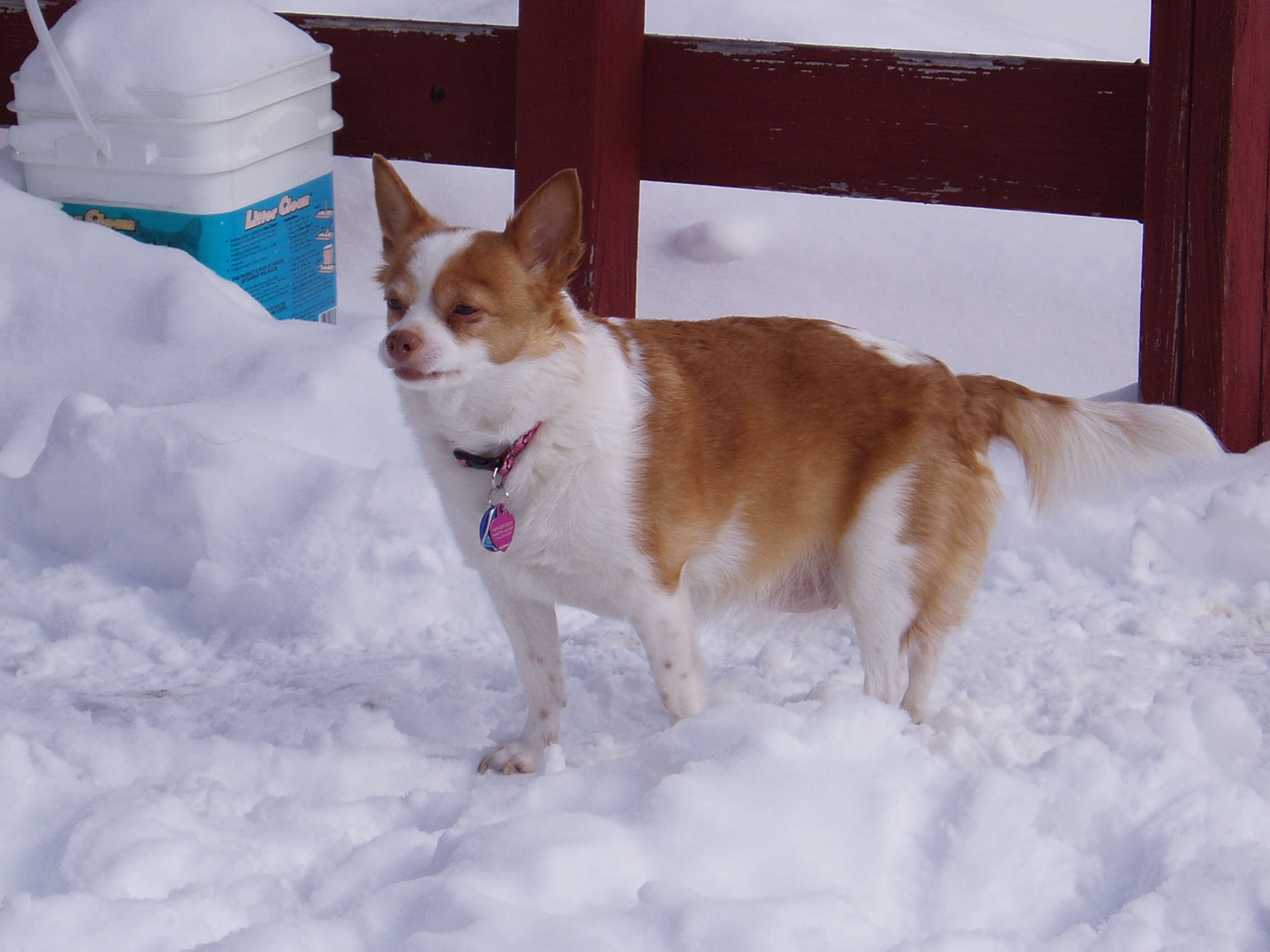
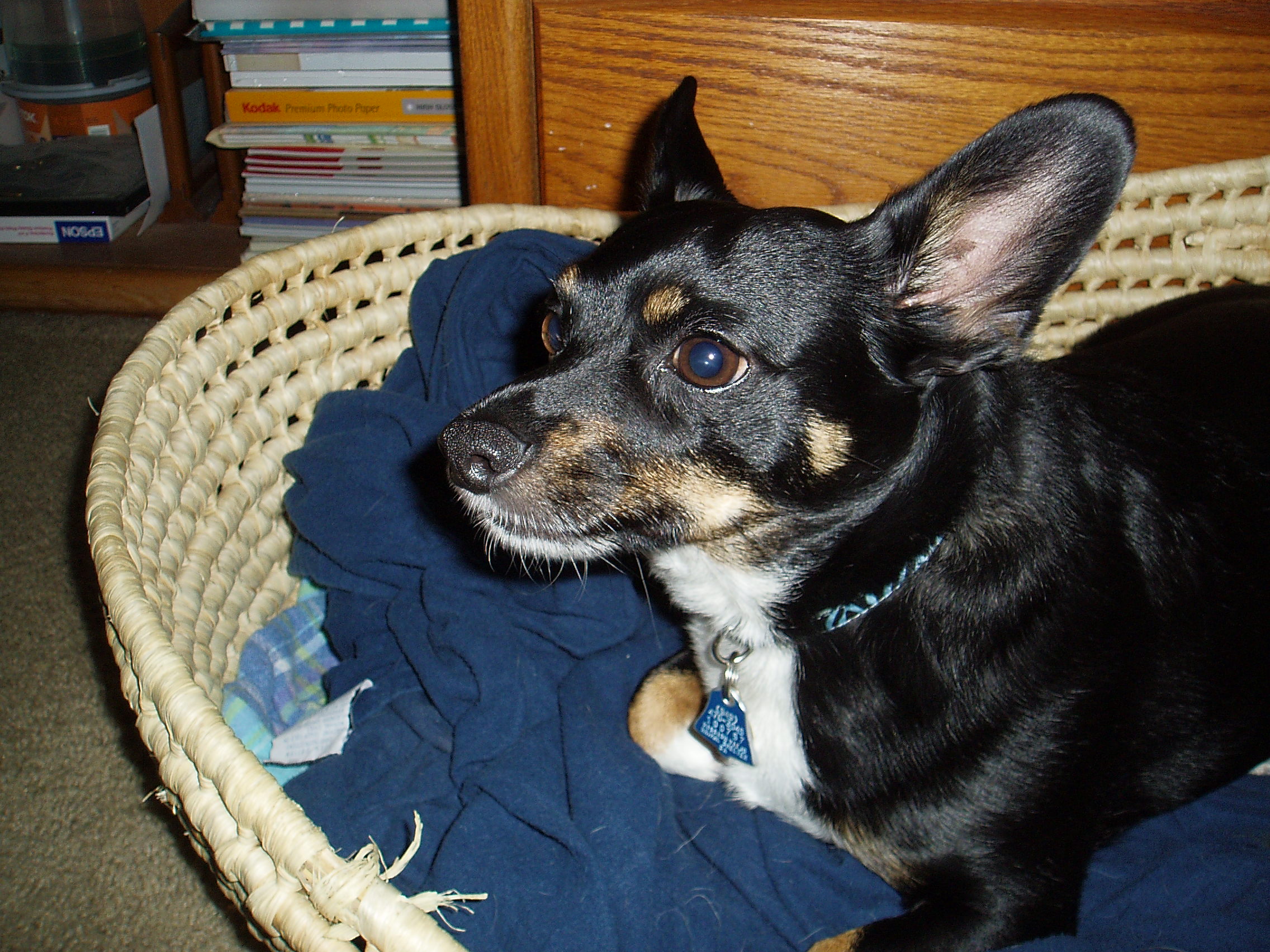
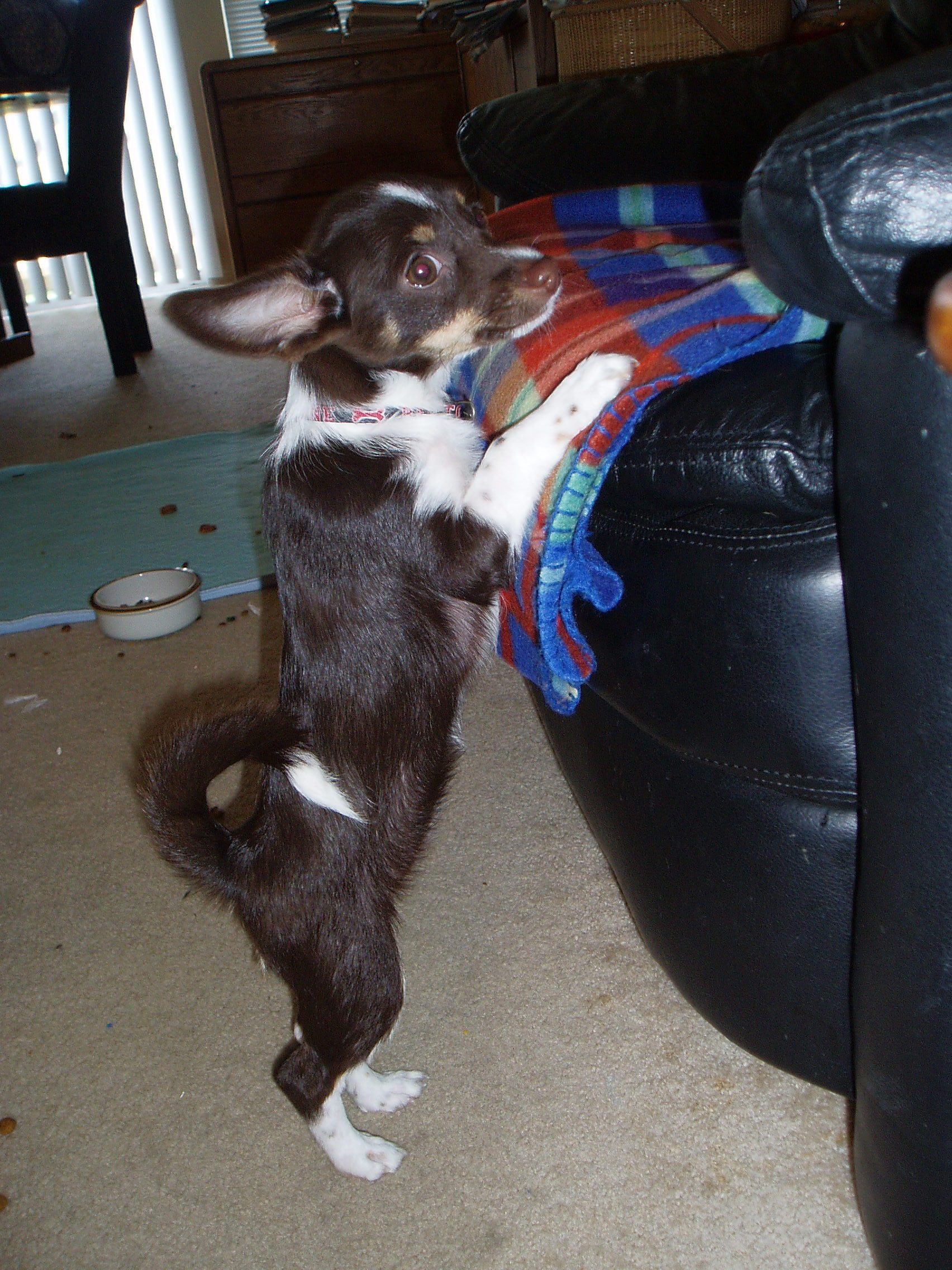
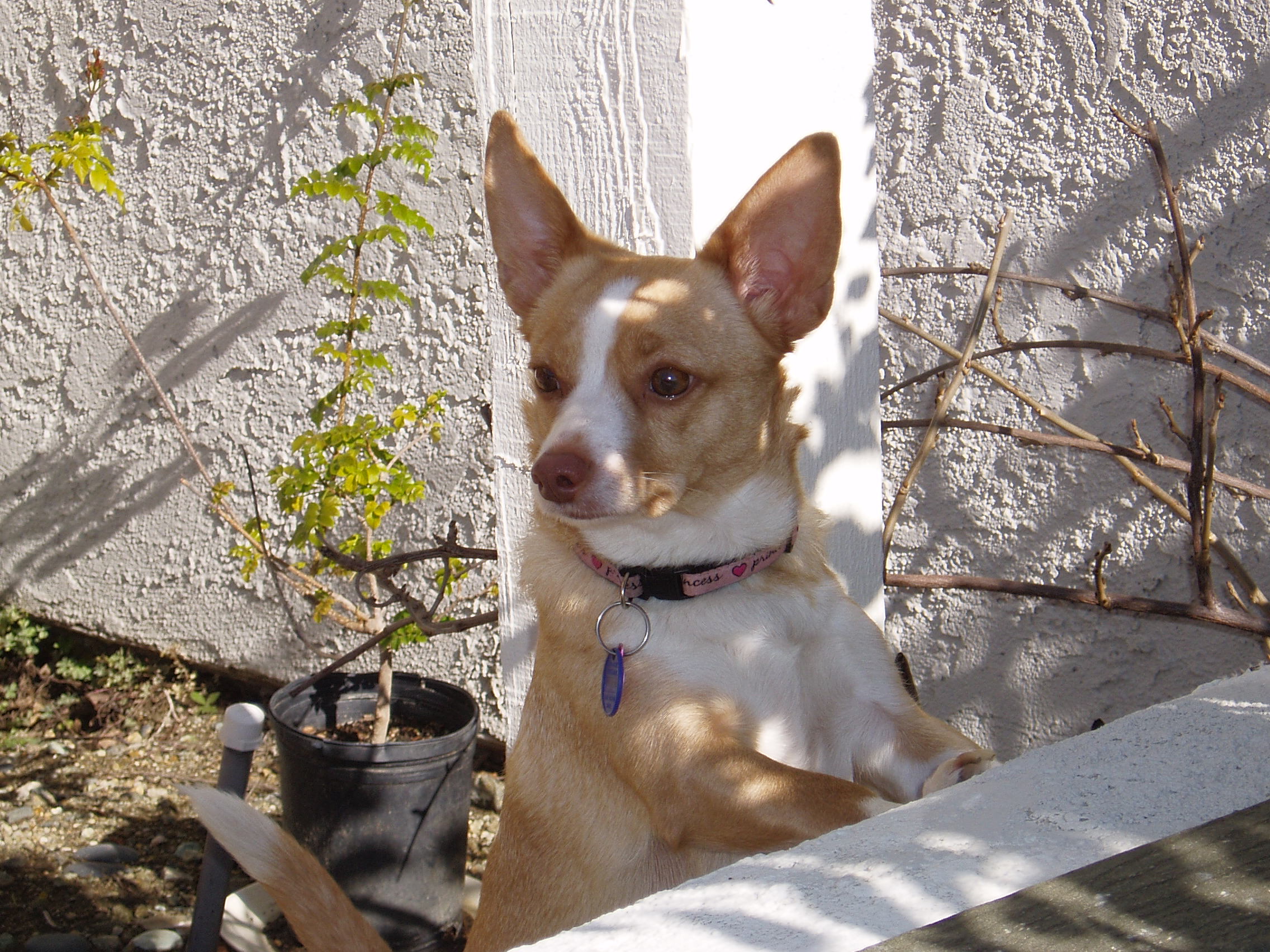
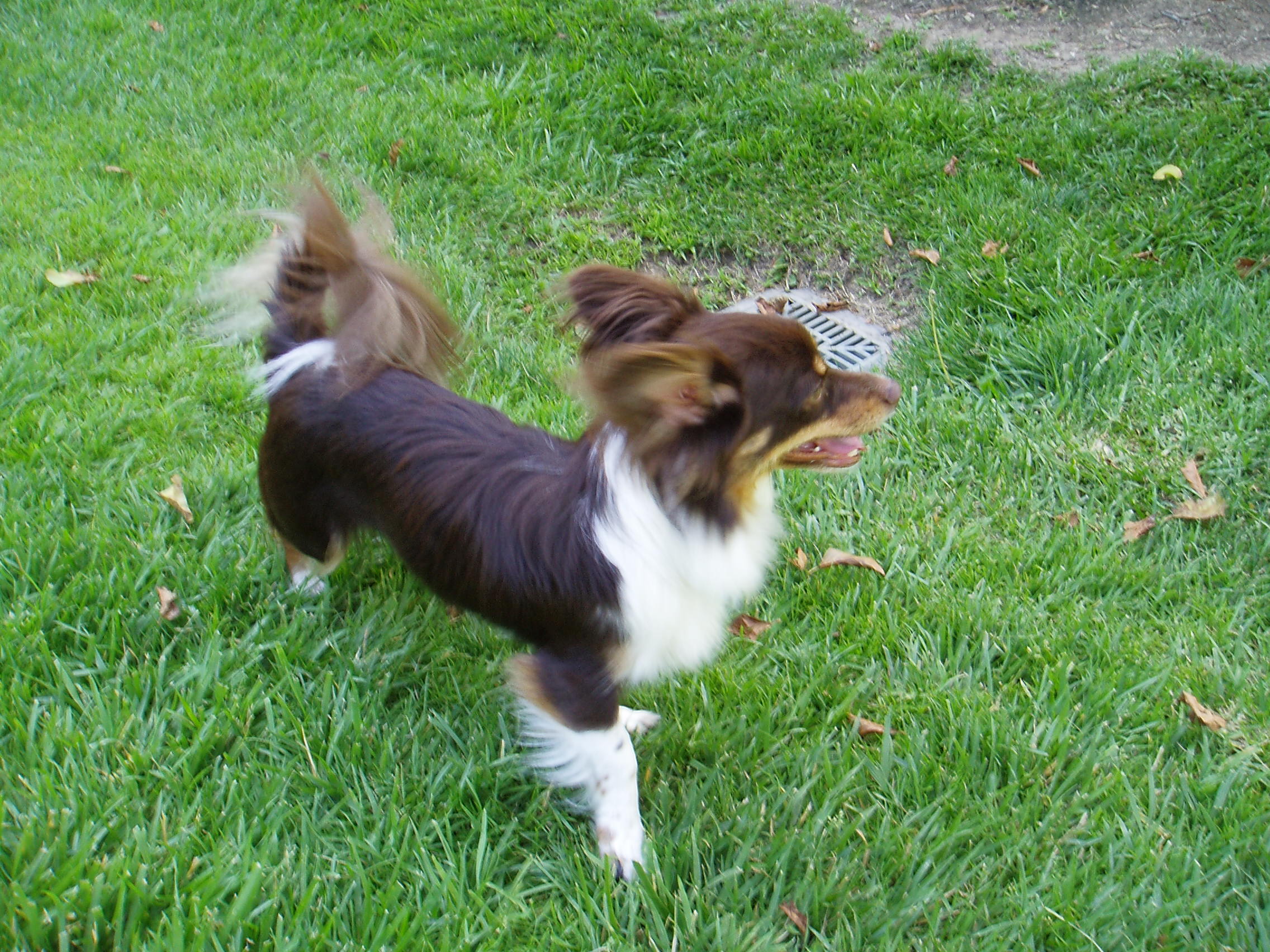
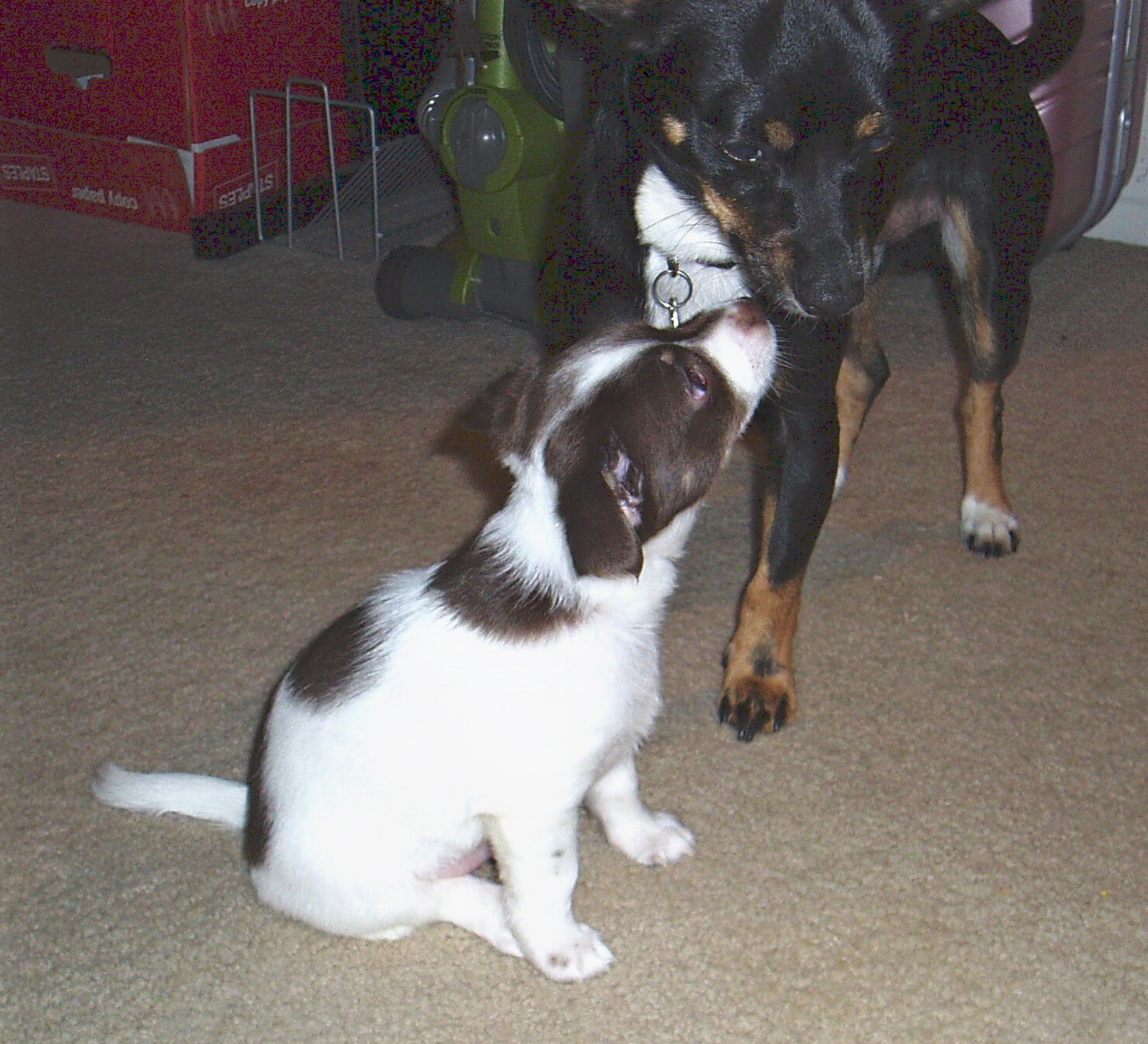
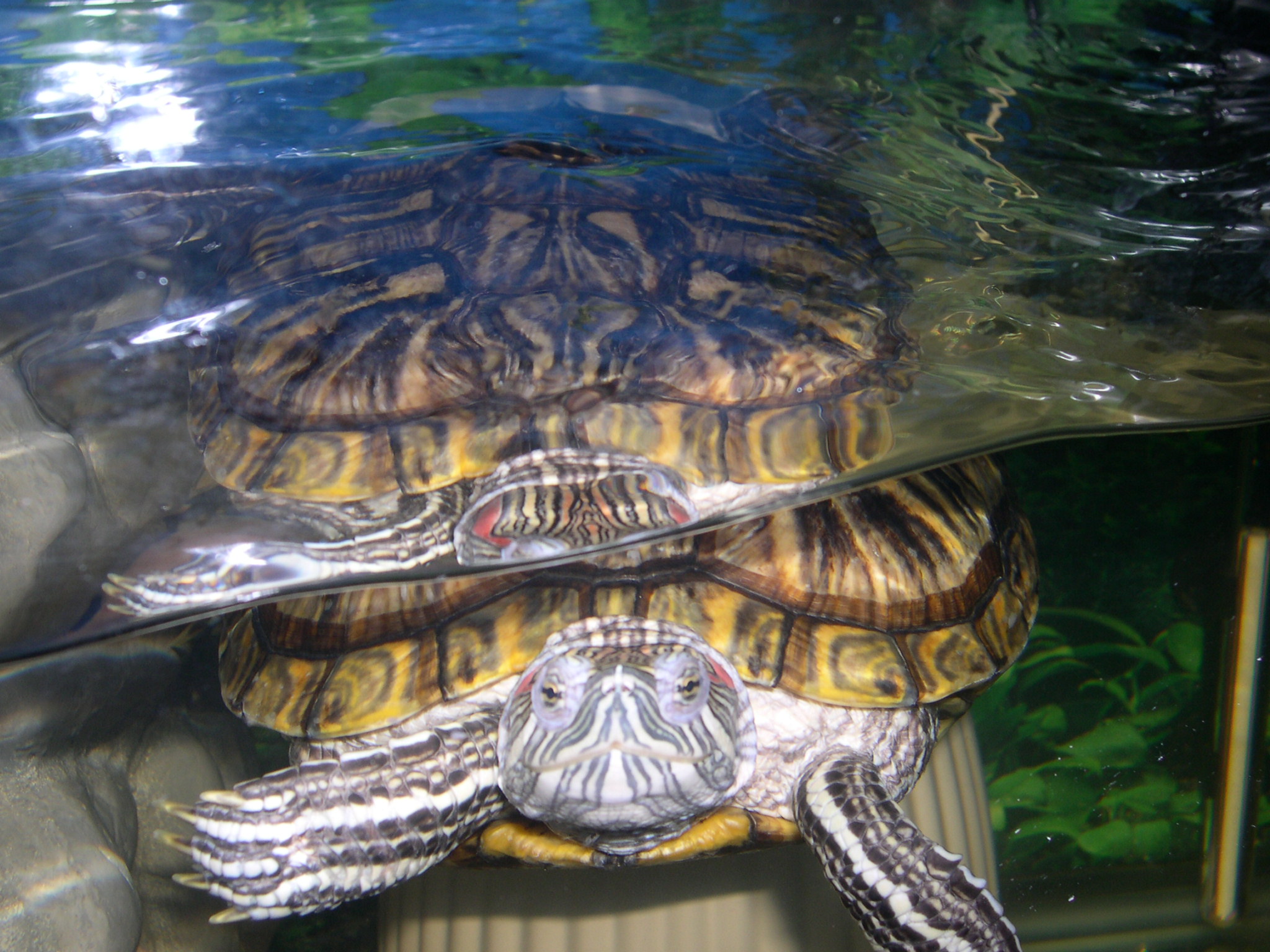
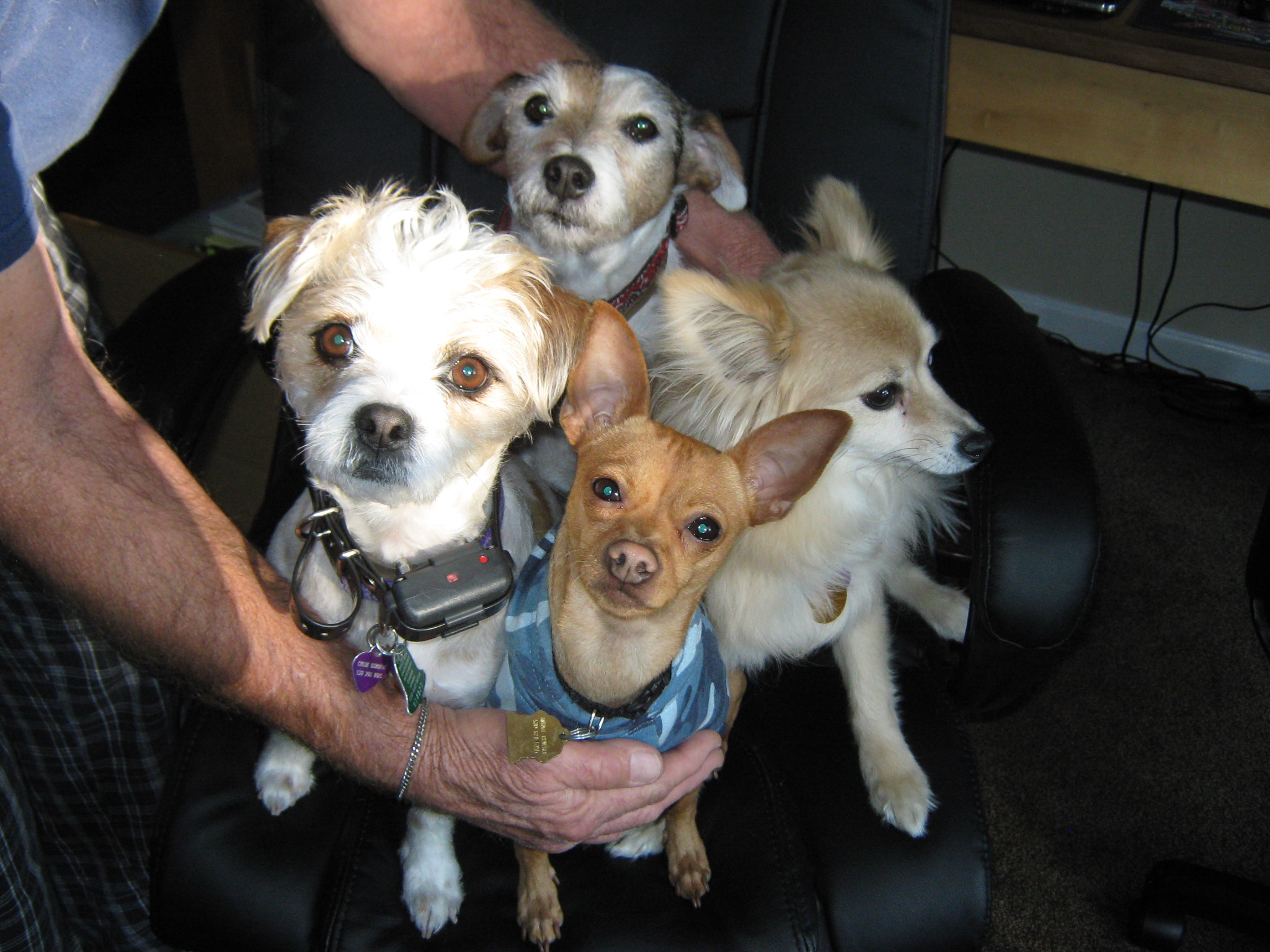
Photos By: Marion Algier – The UCLA Shutterbug
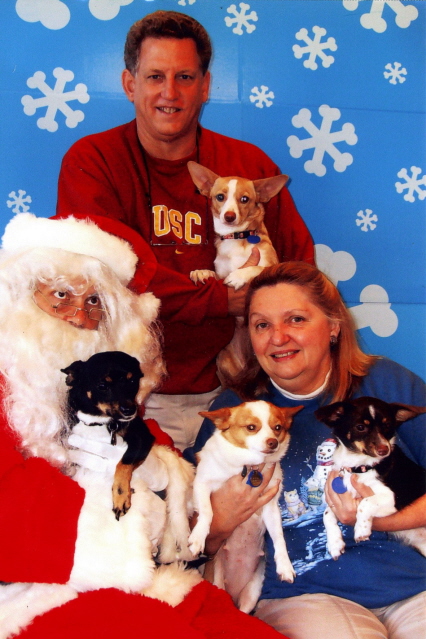
There is always room for Just One More Pet. So if you have room in your home and room in your heart… Adopt Just One More! If you live in an area that promotes unreasonable limitations on pets… fight the good fight and help change the rules and legislation…
Save the Life of Just One More…Animal!

Recent and Seasonal Shots


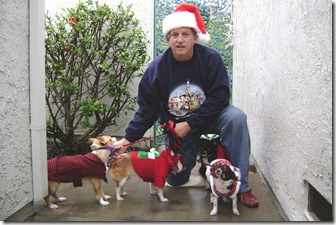
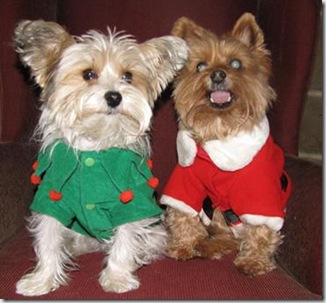
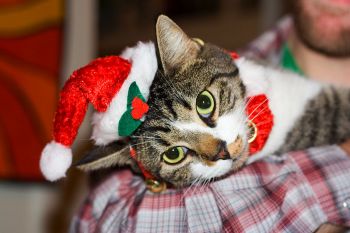

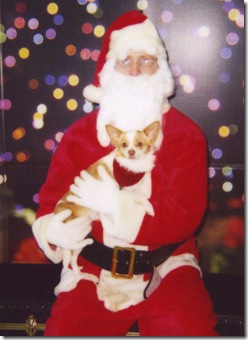
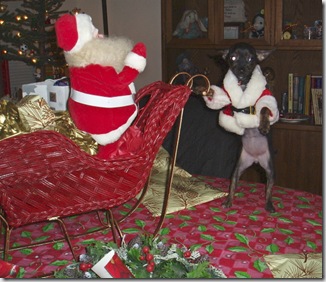
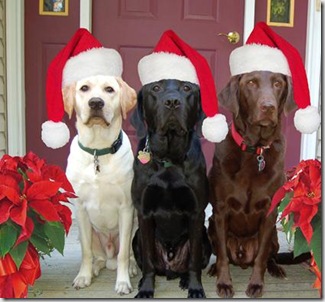
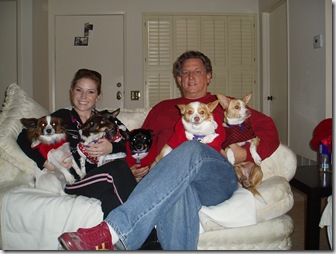
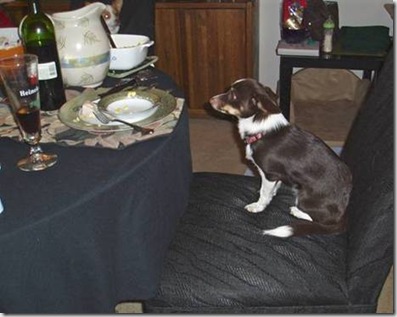
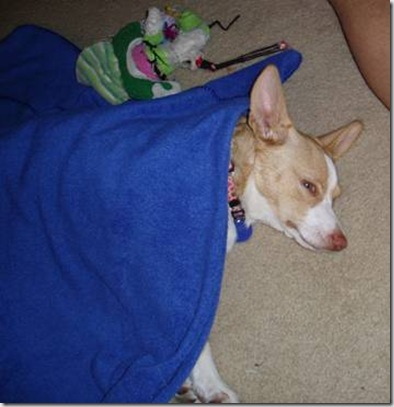
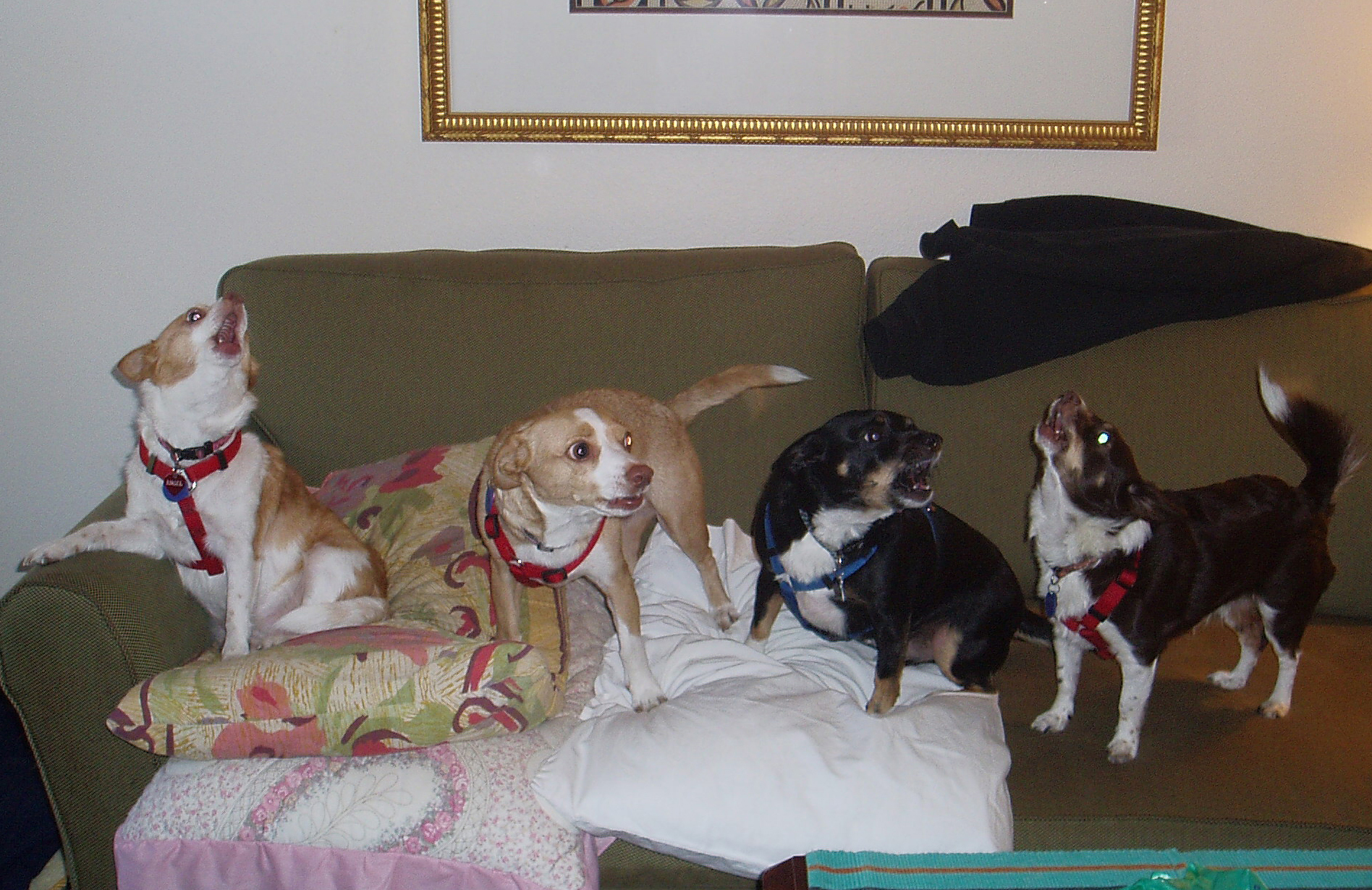
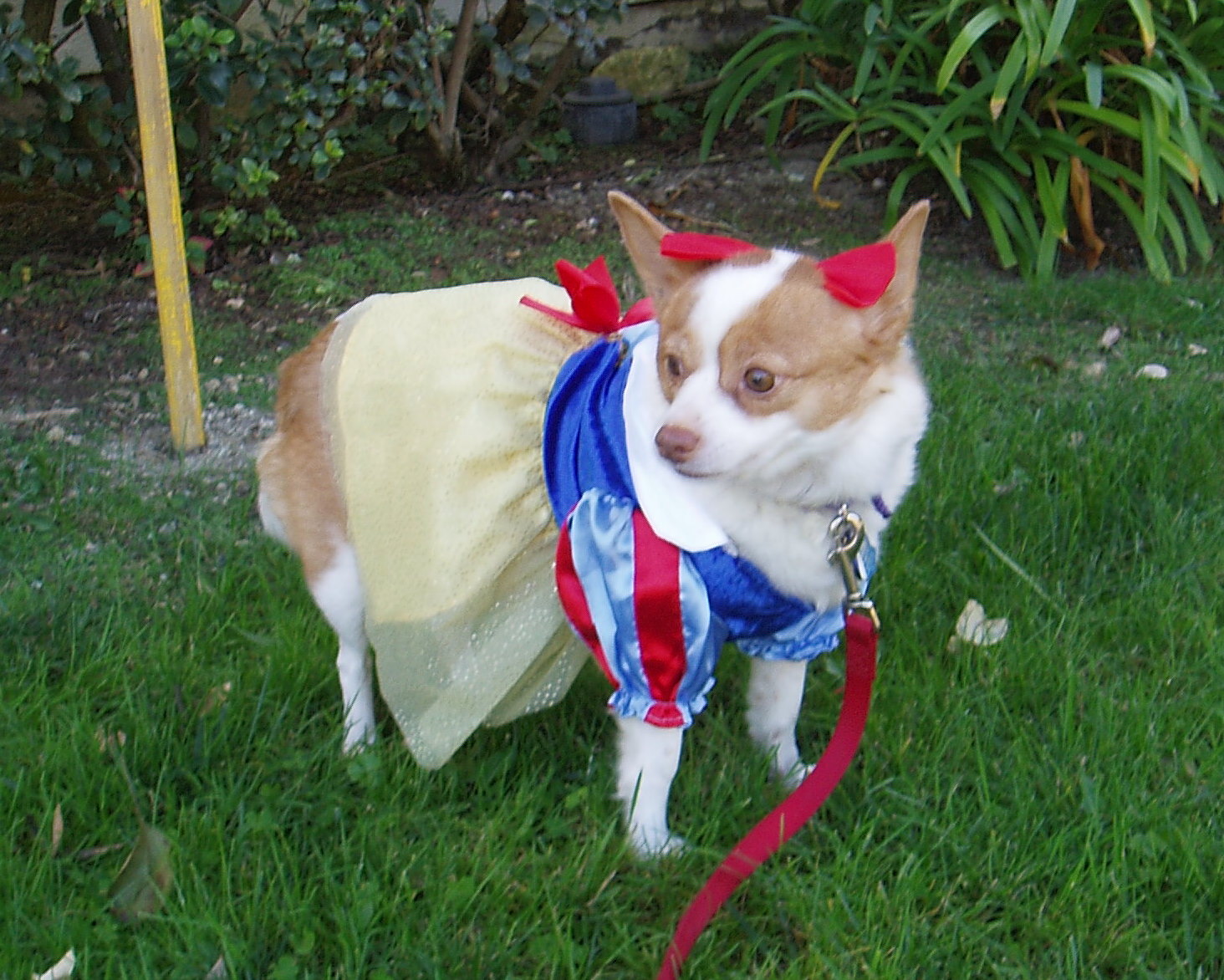
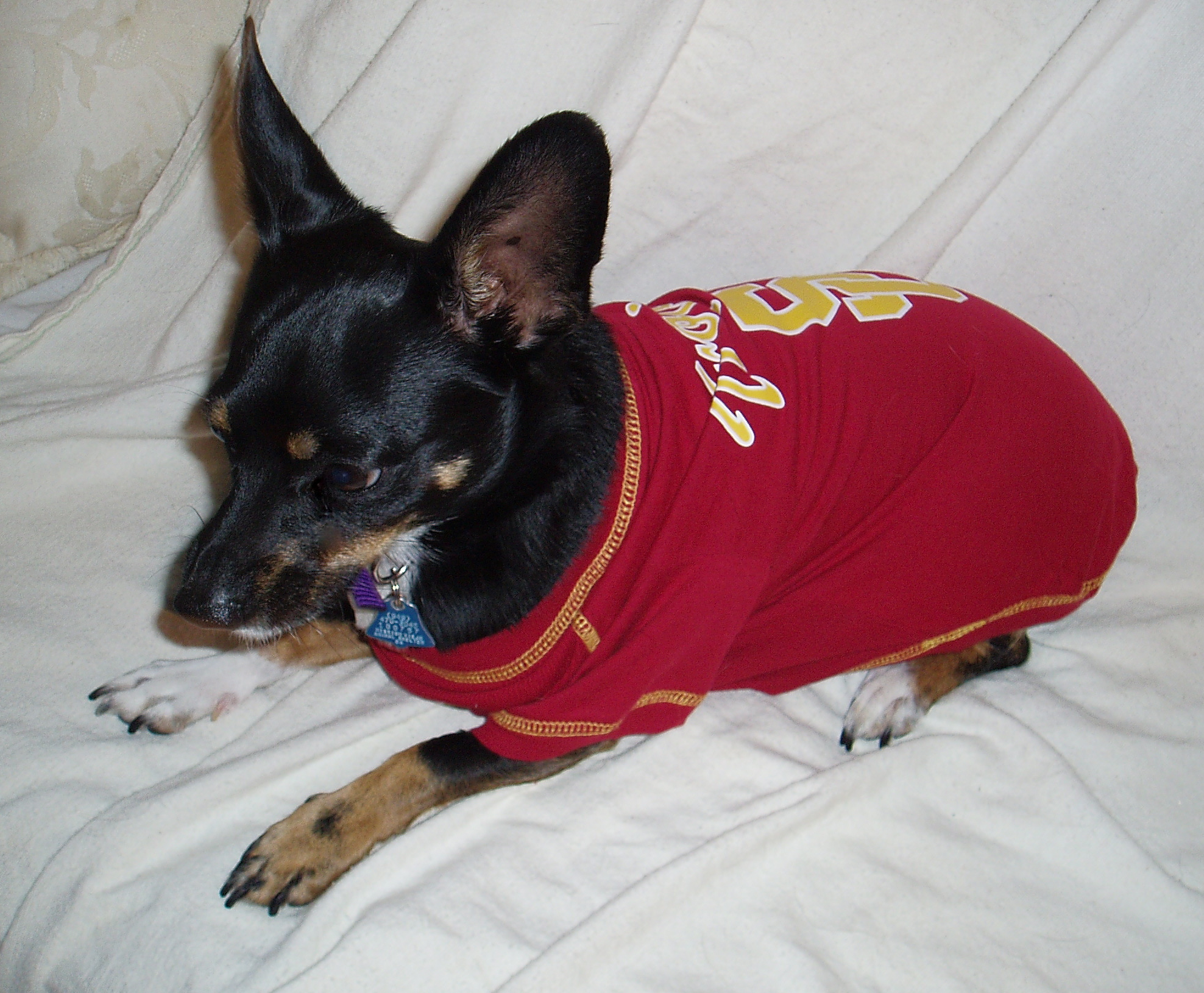
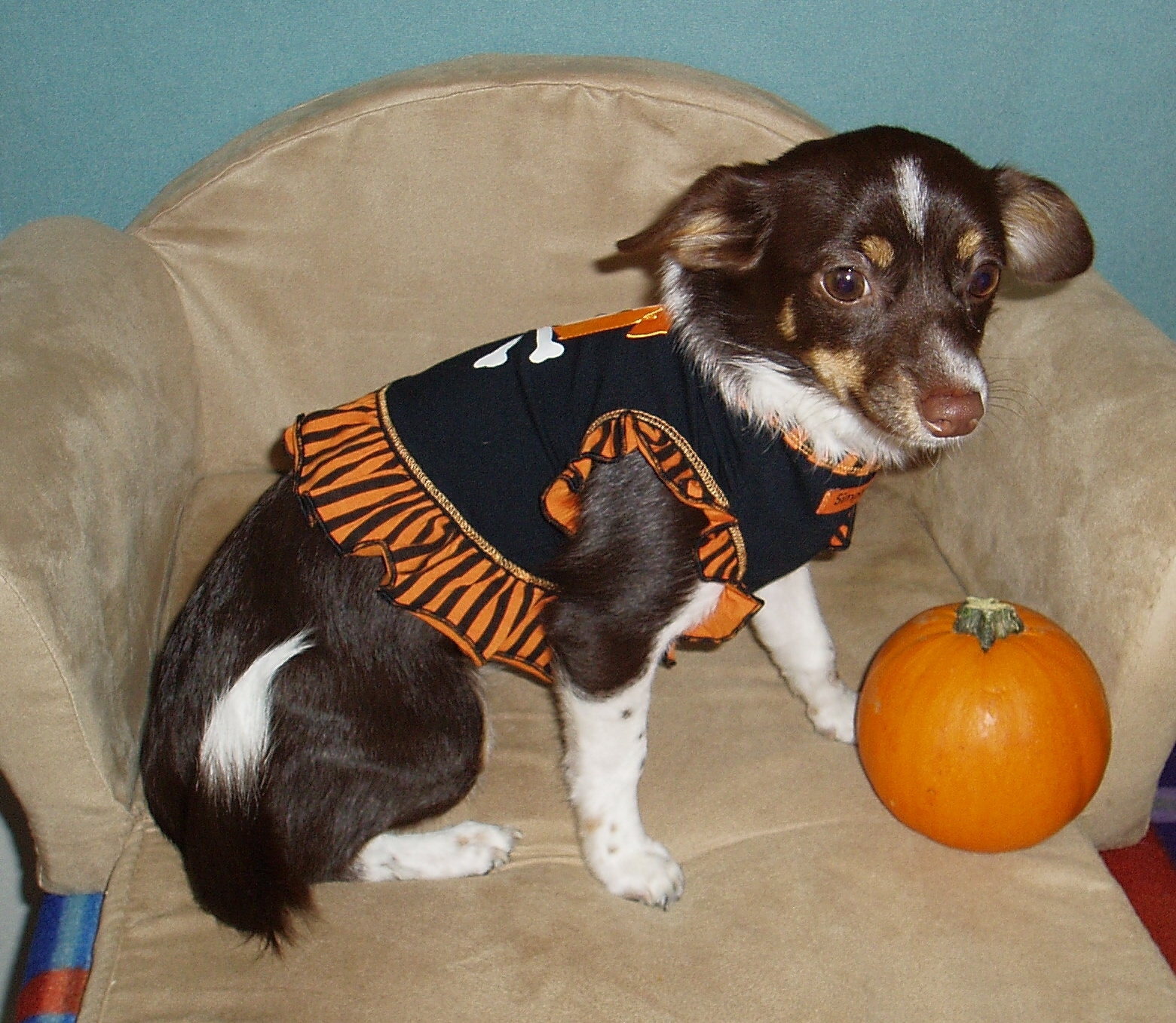
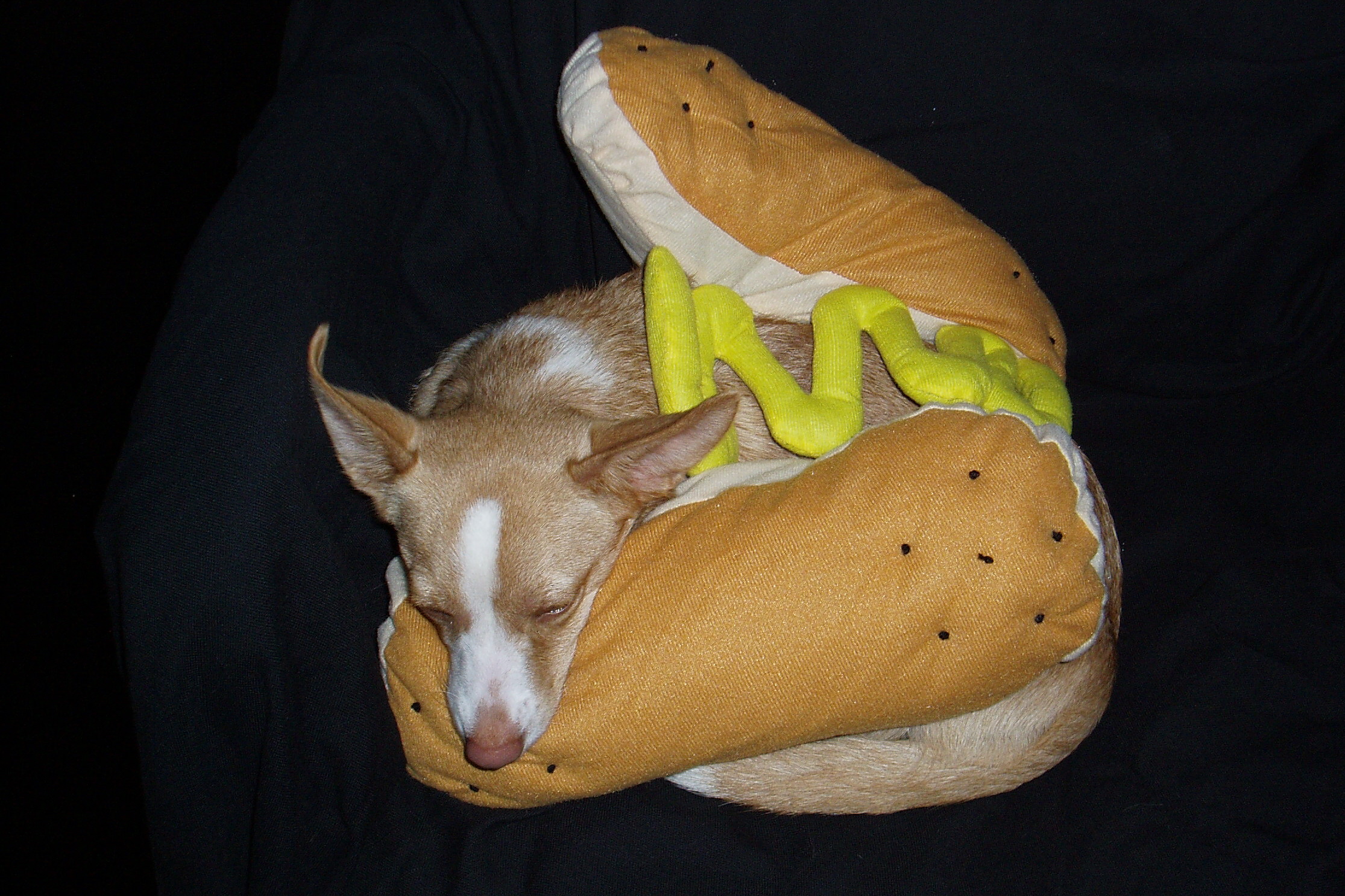
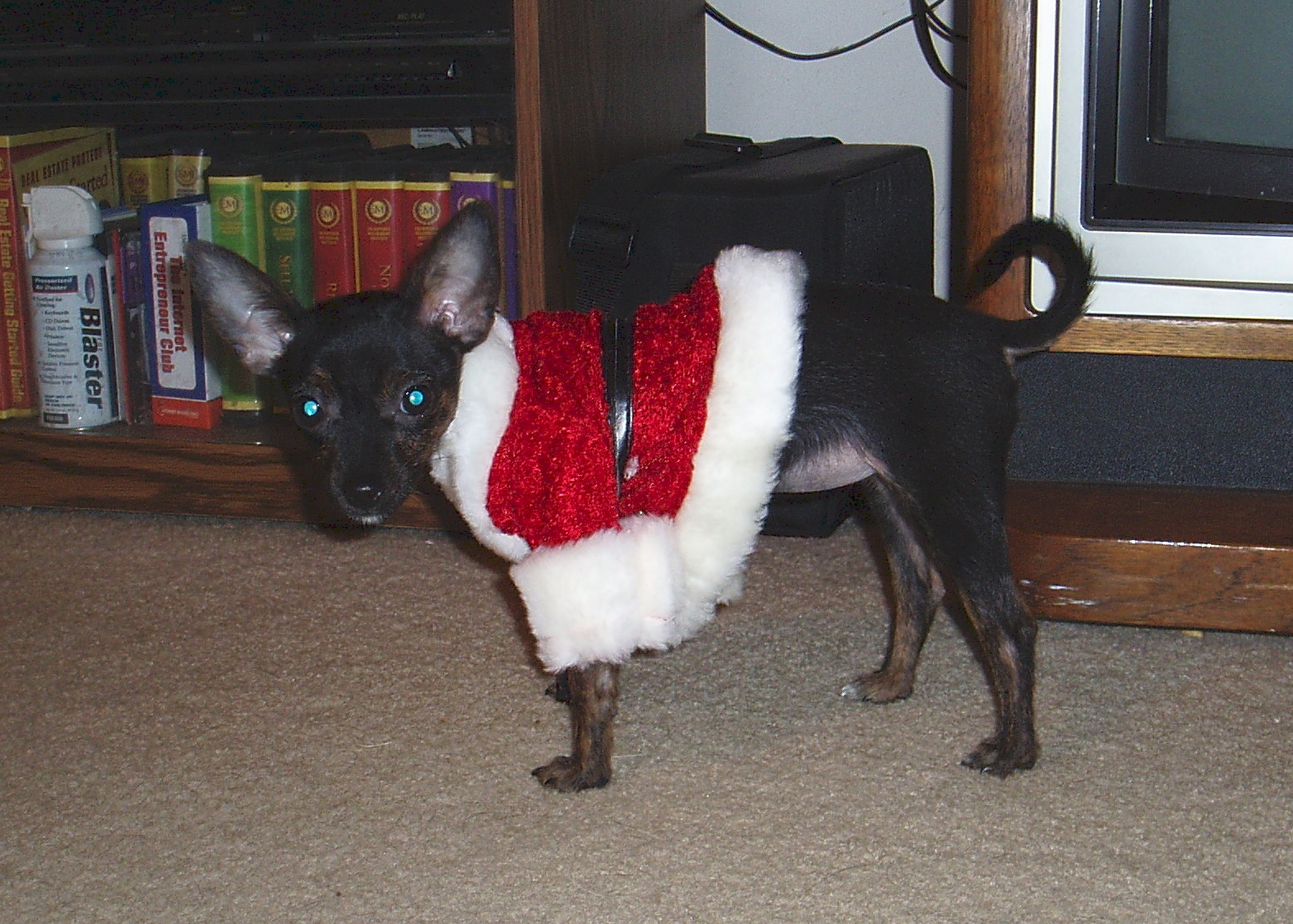
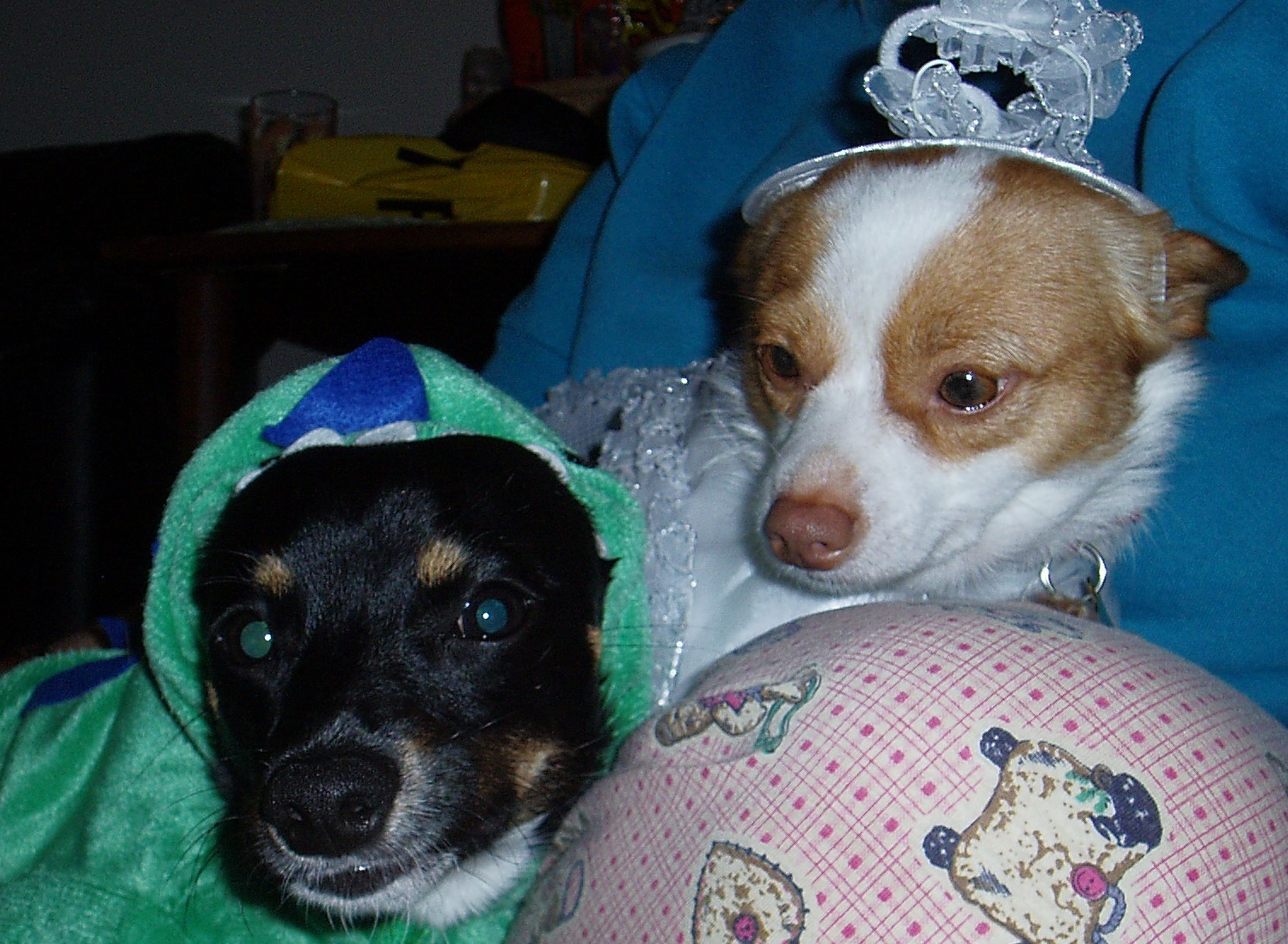
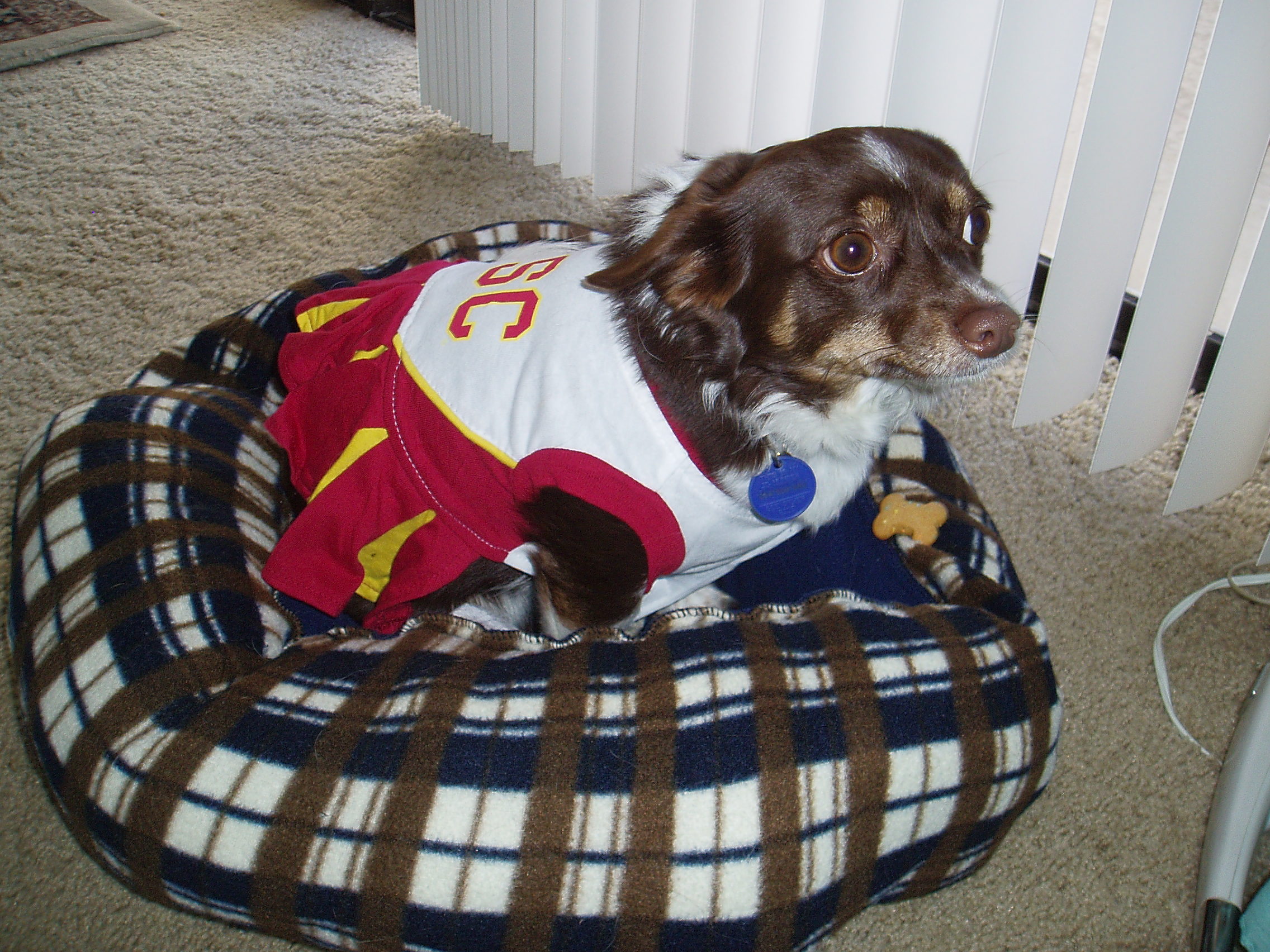
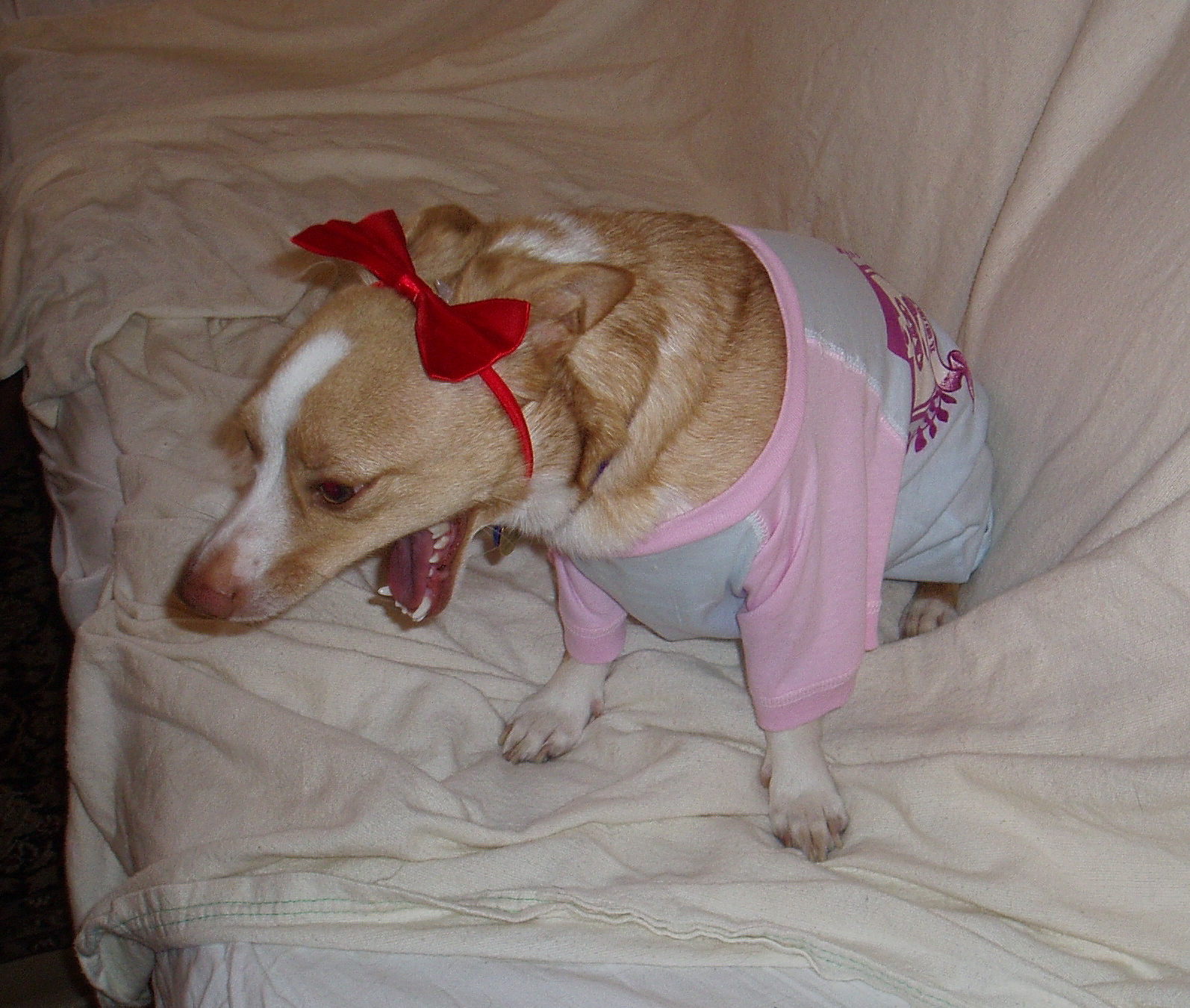
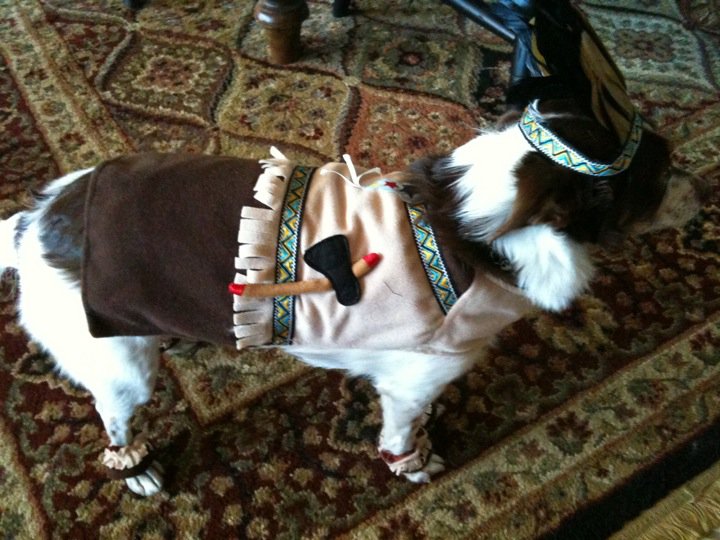
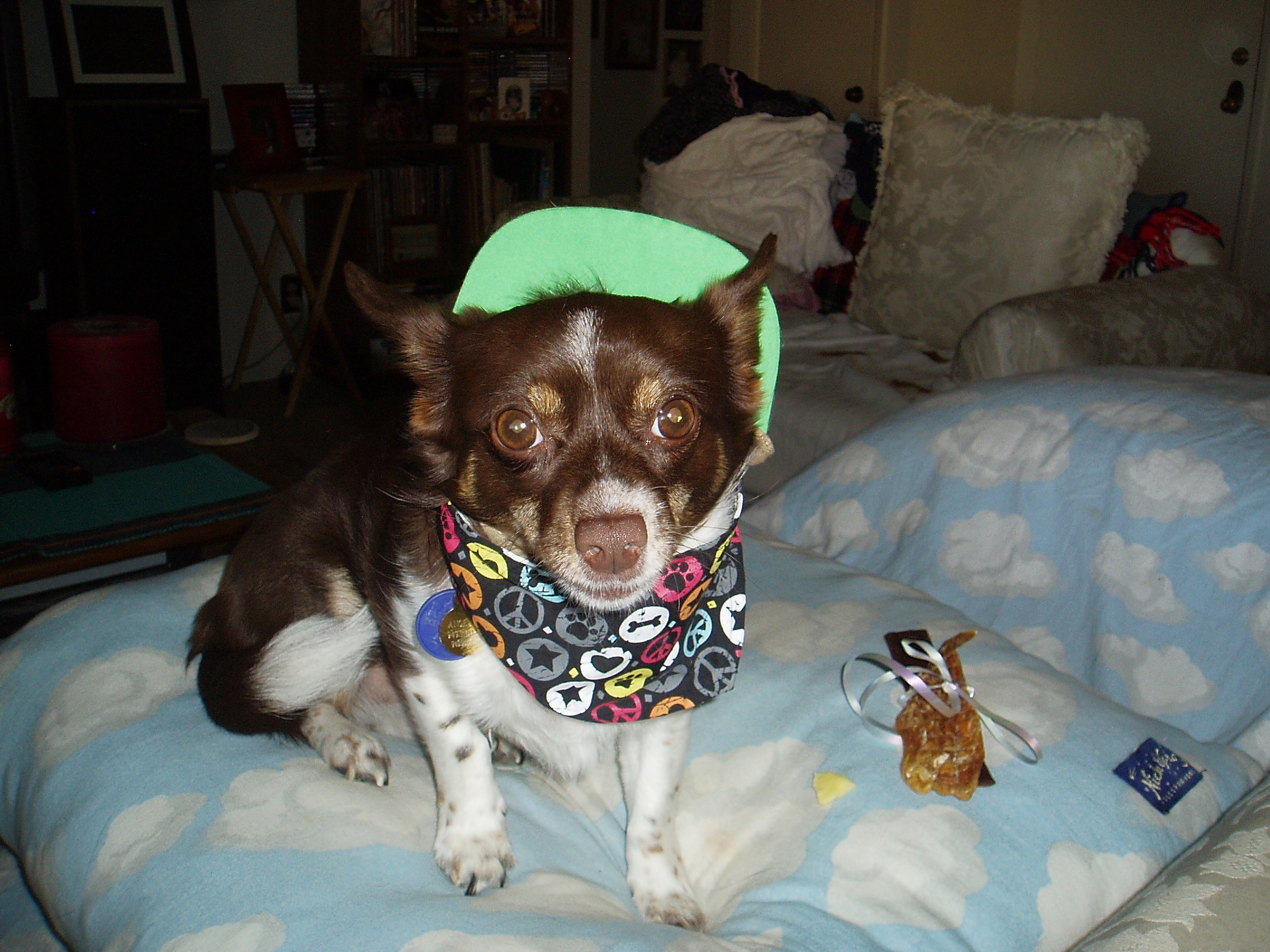
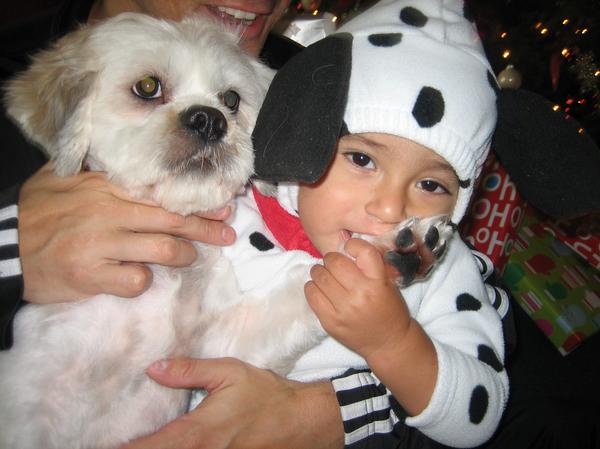
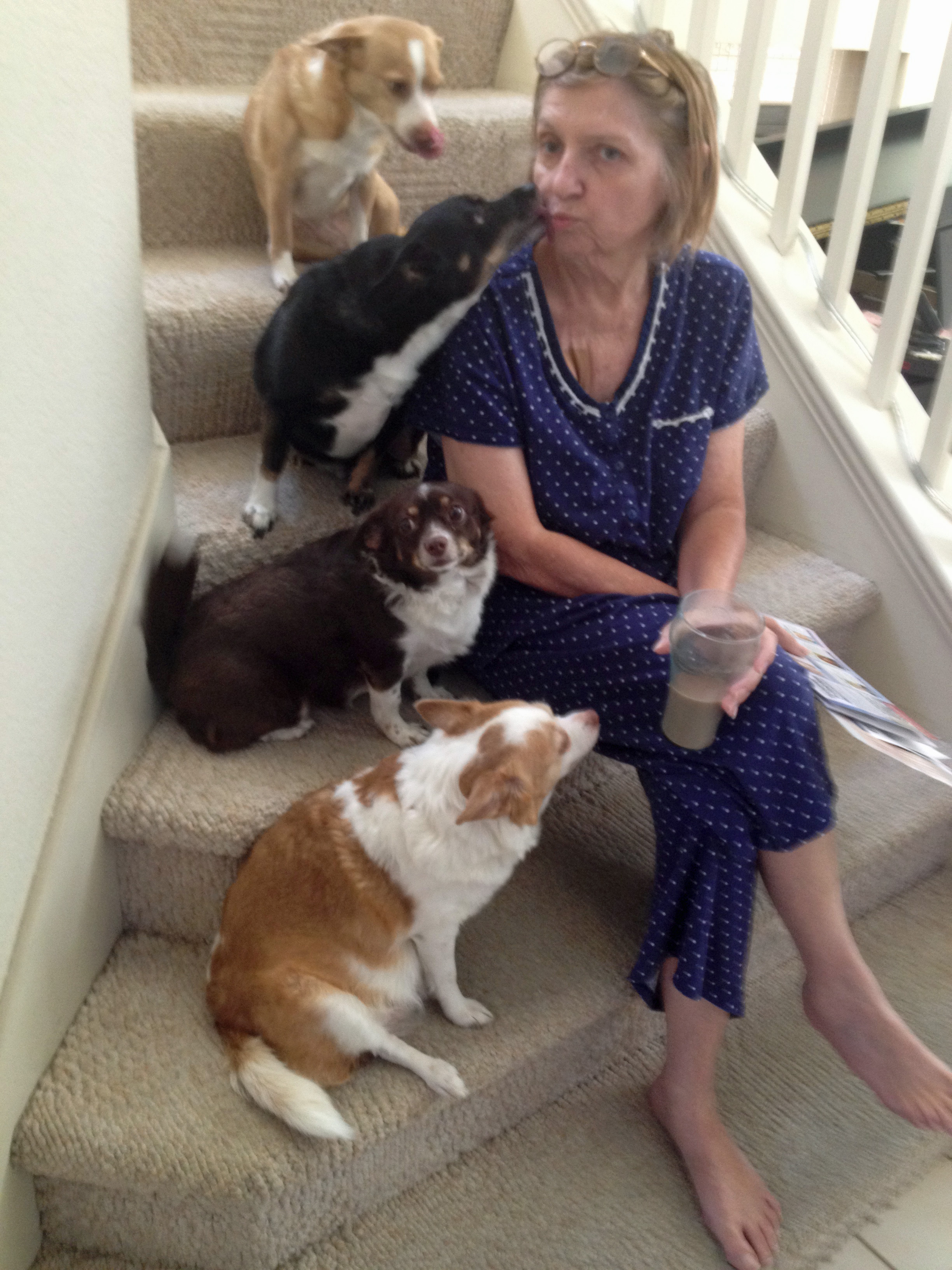
As I have been fighting Cancer… A battle I am gratefully winning, my furkids have not left my side. They have been a large part of my recovery!! Ask Marion
Photos by the UCLA Shutterbug are protected by copyright, Please email at JustOneMorePet@gmail.com or find us on twitter @JustOneMorePet for permission to duplicate for commerical purposes or to purchase photos.
See Creative Pet Halloween Costumes
If you can adopt or foster just one more pet, you could be saving a life, while adding joy to your own! Our shelters are over-flowing… Please join the fight to make them all ‘NO-Kill’ facilities.
Help Make a Difference

 JustOneMorePet
- In Memory of Rocky – Until We Meet Again on Rainbow Bridge
- In Memory of Rocky – Until We Meet Again on Rainbow Bridge
- Panda Accused of Faking Pregnancy To Get Better Food, Air Conditioning
- Dachshund Family Photo | Picture Furrfect
- They Were Dead Puppy Parts Instead of Dead Baby
- Bob’s Full House
- Keep Your Pets Safe on the 4th of July
- JOMP Salutes Doggie Dads Both Two and Four Legged
- Smartest Dog In the World, Chaser – 60 Minutes With Anderson Cooper
- Quebec bill changes animals from "property" to sentient beings and includes jail time for cruelty
Recent Comments
Flickr Photos


Great Book for Children and Pet Lovers… And a Perfect Holiday Gift
One More PetEmily loves animals so much that she can’t resist bringing them home. When a local farmer feels under the weather, she is only too eager to “feed the lambs, milk the cows and brush the rams.” The farmer is so grateful for Emily’s help that he gives her a giant egg... Can you guess what happens after that? The rhythmic verse begs to be read aloud, and the lively pictures will delight children as they watch Emily’s collection of pets get bigger and bigger.
Buy Now: A Must Have For Every Pet Owner

 JustOneMorePet
You must be logged in to post a comment.